
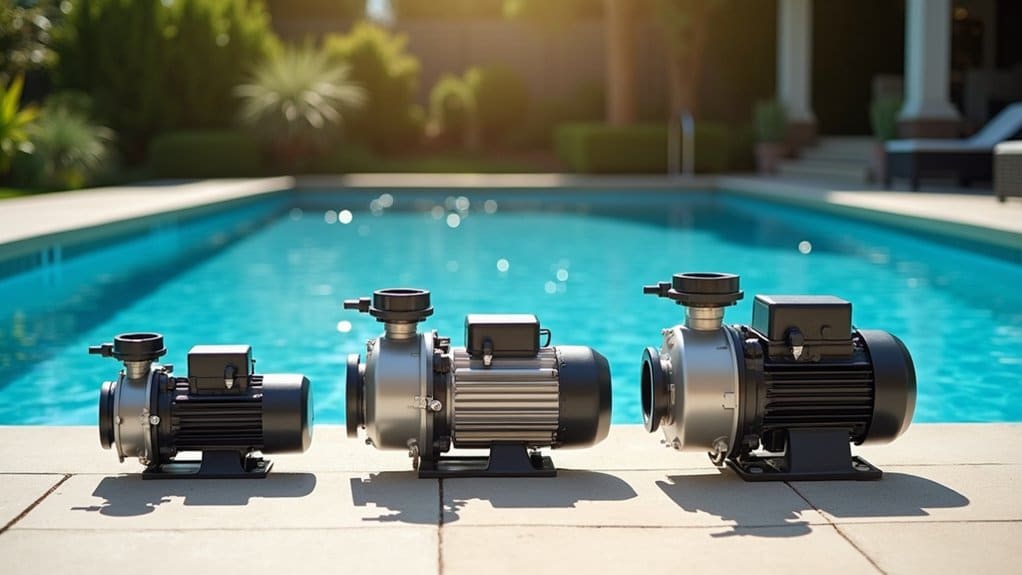
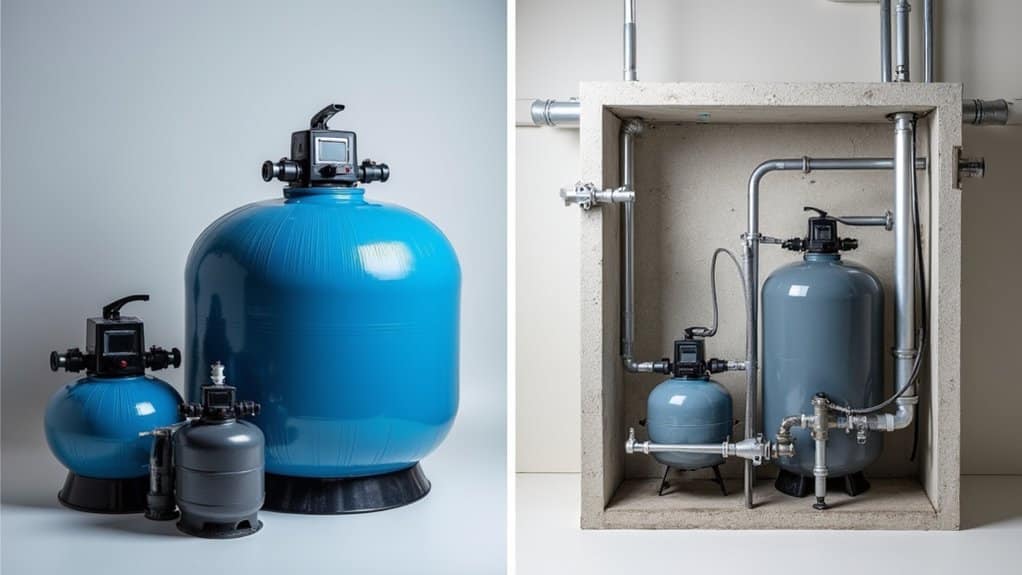
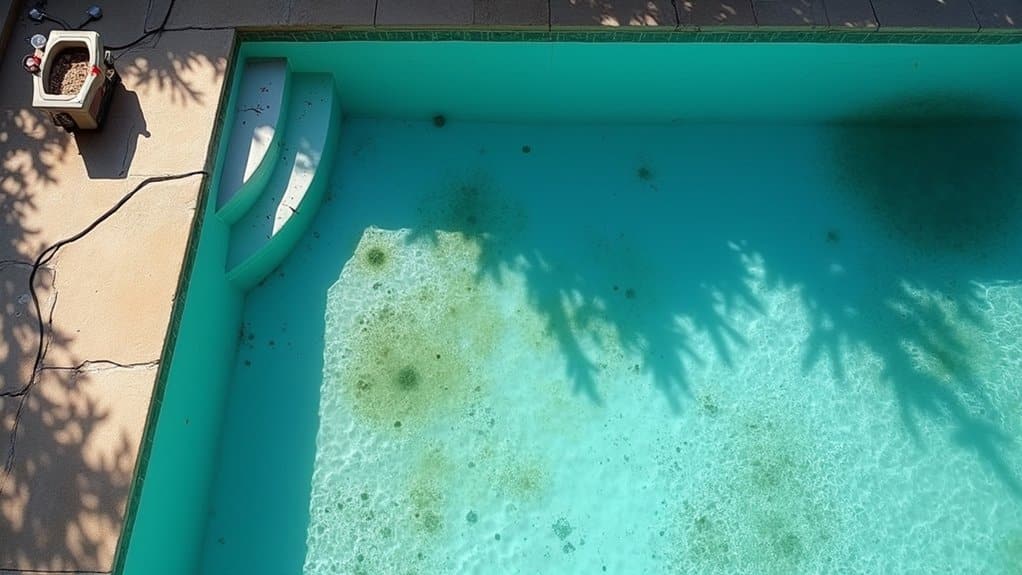


A pool light flickering typically stems from loose or corroded wiring connections, a failing LED driver or transformer, water infiltration inside the fixture, or voltage drops caused by nearby appliances like your pool pump. Before troubleshooting, always de-energize the circuit at the main breaker and confirm zero voltage with a tester. You’ll want to check terminals, test driver output, and inspect lens gaskets for leaks. Below, we’ll walk through each cause and the safest way to fix it.
Why Is Your Pool Light Flickering?
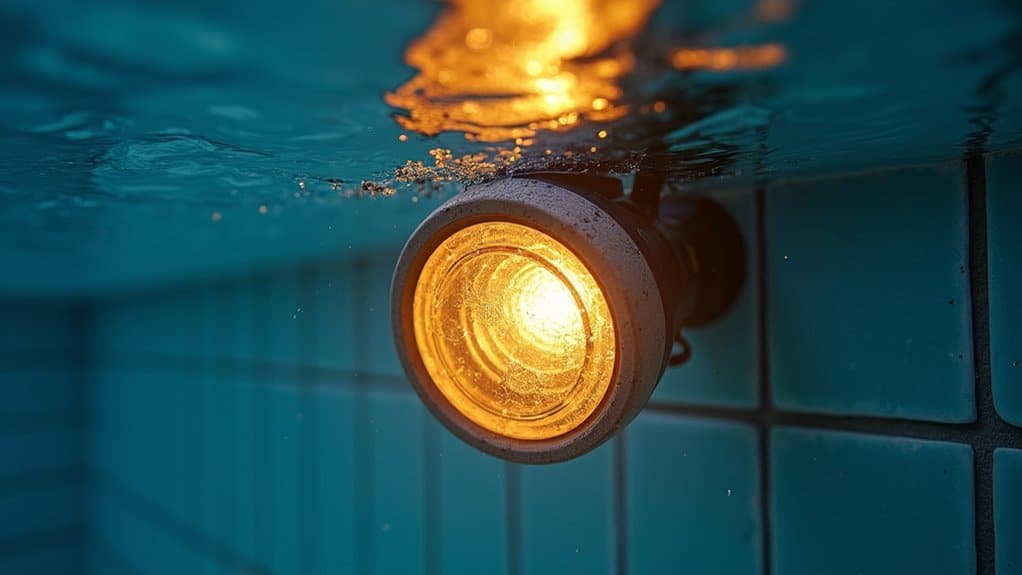
A pool light voltage problem occurs when supply levels fall outside the 10-to-14-volt range for LED systems, often worsened by nearby appliances drawing power. Faulty transformers and circuit protection issues disrupt consistent power delivery, while tripped GFCI outlets cut power entirely. Corroded contacts from moisture exposure degrade connections, and incompatible LED drivers produce intermittent output. Consistent flickering indicates that something is wrong with the pool’s electrical system and should not be ignored. Each issue demands targeted diagnosis to restore safe, stable lighting.
Loose Wiring That Causes Pool Light Flicker
Loose wiring is one of the most common causes of pool light flicker, and you’ll often trace it back to corroded connection points where moisture and oxidation have degraded the electrical contact. You should inspect and tighten loose terminals at the fixture, junction box, and transformer after shutting off the breaker, using a multimeter to confirm stable continuity across each connection. If your light sits in a wet niche, you’ll need to check for short circuits and water intrusion that can compromise wiring integrity and trigger GFCI trips. Ignoring these loose connections can escalate into serious electrical hazards, making timely repairs essential. When fraying or poor insulation is found in the wiring, call a professional to safely diagnose and resolve the issue before further damage occurs.
Corroded Connection Points
For a reliable pool light flickering fix, shut off power at the breaker first. Remove oxidation using a wire brush or sandpaper to restore clean contact surfaces. Apply a baking soda and water paste for stubborn corrosion buildup.
After cleaning, coat all connection points with dielectric grease to block future moisture ingress. This protective barrier prevents re-corrosion and maintains stable conductivity. If you discover damaged wiring beneath the corrosion, consult a licensed electrician immediately.
Tightening Loose Terminals
Remove the fixture lens to access the junction box. Inspect terminals for gaps, burn marks, or arcing discoloration signs often misdiagnosed as pool light transformer problems. Strip frayed wire ends to expose 1/2 inch of clean copper, insert fully, and torque screws to 12 15 inch-pounds. Apply dielectric grease to exposed contacts. Restore power and monitor for 30 minutes under load. Recheck terminals seasonally to prevent recurrence.
Wet Niche Wiring
Even after securing all terminal connections, flickering can persist if the problem originates deeper in the system specifically inside the wet niche housing itself. Water intrusion through conduit seals creates a persistent pool light blinking issue by corroding internal wiring and terminals. You’ll need to pull the fixture, inspect the niche interior, and check for moisture behind the light.
| Diagnostic Step | Action Required |
|---|---|
| Remove fixture from wall | Access niche housing safely |
| Check conduit for water | Use compressed air to dry |
| Test terminal continuity | Multimeter with power off |
| Inspect bonding connections | Verify equipotential integrity |
| Evaluate wire condition | Replace corroded connectors |
Apply dielectric grease to all terminals after drying. Reinstall with a new gasket and confirm your GFCI breaker holds without tripping.
Signs a Dying Bulb Is Making Your Pool Light Flicker
A dying pool light bulb rarely fails all at once it sends warning signs first. You’ll notice flickering that intensifies over days or weeks before the bulb burns out completely. Halogen types dim gradually as filaments degrade, while LEDs develop erratic color shifts or pulsating patterns as internal circuits fail. Understanding pool light fading troubleshooting techniques can help you diagnose issues before they become critical. Regular maintenance and periodic checks can extend the lifespan of your pool lighting system. Additionally, familiarizing yourself with common signs of deterioration can save you time and avoid costly replacements.
Check for these key indicators: persistent dimming that doesn’t improve after cleaning the lens, unusual color discoloration, or rapid blinking cycles. If you spot condensation behind the lens alongside flickering, moisture infiltration is accelerating bulb failure and creating shock hazards.
Don’t ignore frequent burnouts across multiple fixtures they point to ground faults requiring immediate GFCI testing. Replace failing bulbs promptly to maintain underwater visibility and swimmer safety.
Bad LED Drivers or Transformers Behind the Flickering
When your pool light flickers but the bulb checks out fine, you’ll want to turn your attention to the LED driver’s output voltage stability and the transformer’s secondary-side performance. A failing transformer may deliver inconsistent voltage or zero output entirely which you can confirm by disconnecting the fixture leads and testing the output terminals with a multimeter for the expected 12 14V range. If your lights operate on a timer, reset it to factory defaults to rule out programming glitches before replacing any hardware.
Unstable Driver Output Voltage
Because LED pool lights depend on a stable DC supply from their drivers or transformers, any degradation or mismatch in these components directly causes flickering. You’ll notice this most when your pool pump activates, as power line noise and voltage surges disrupt the driver’s output. LEDs are far more sensitive to these fluctuations than incandescent bulbs.
To diagnose, use a multimeter to measure the driver’s output voltage and current. Fluctuating readings confirm instability. Check for visual signs like burnt components, melted casings, or bulging capacitors. Audible buzzing also indicates driver failure.
You should match your driver’s power rating to the LED load, maintaining 10 20% excess capacity for stability. Select UL-certified or CE-compliant drivers to guarantee reliable regulation and circuit protection in demanding pool environments.
Failing Transformer Symptoms
If your pool light’s LED driver or low-voltage transformer is failing, you’ll typically see clear warning signs before the unit dies completely. Use a multimeter to test transformer output you should read 12 14 volts on the secondary side.
Watch for these key failure indicators:
- Zero voltage output on transformer leads despite confirmed 120V line-side input
- GFCI tripping repeatedly, signaling current leakage or a ground fault within the transformer circuit
- Visible corrosion or burn marks inside the transformer housing from water infiltration
- Loose or frayed terminal connections are preventing consistent power delivery to the fixture
If your transformer can’t maintain a stable output, replace it entirely don’t attempt repairs. Choose a replacement with 15-volt wiretap connections for longer cable runs.
Faulty Timer Reset Steps
A failing transformer isn’t always the sole culprit your pool light timer can also drive flickering when its internal mechanism loses sync or fails to deliver consistent power cycles to the LED driver. Kill power at the breaker before touching anything. Once the power is off, you can begin the pool light timer troubleshooting steps to identify potential issues. Start by inspecting the timer settings and ensuring they are correctly programmed for your usage needs. If the timer appears functional, check the wiring for any loose connections that could disrupt the power supply to the light.
Pull the yellow dial outward, rotate it to align current time with the 6 o’clock pointer, then push it back to reengage. Restore power and confirm the dial advances. Check the motor inspection window for gear movement if gears are jammed, remove the mechanism and clear debris. Verify all wires are tight on brass terminal screws and reference the wiring diagram inside the timer door. If the motor won’t respond despite confirmed power, press the top clip, disconnect wiring, and install a new Intermatic mechanism.
Water Inside the Fixture That Triggers Flickering
When water infiltrates a pool light fixture, it disrupts electrical conductivity and creates conditions that directly cause flickering. Moisture triggers oxidation on connections, reducing power delivery and causing intermittent lighting failures. You should inspect your fixture lens for visible water accumulation immediately. common pool light problems explained can also include issues such as corrosion of wiring caused by prolonged exposure to moisture or poor sealing. Understanding these factors is crucial for proper maintenance, as they can lead to more severe electrical issues if not addressed promptly. Regular inspections and timely repairs are essential for preventing these common issues from affecting your pool lighting system.
Common entry points and indicators include:
- Unsealed conduit connections allowing water into the light niche
- Failed lamp gaskets permitting moisture around the bulb
- Conduit cracks from freeze expansion or soil shifts
- Water level dropping to the niche port during isolation testing
To repair, you’ll shut off the breaker, clean the conduit port, and apply silicone sealant. Pack pool putty around the cord entry, forming a cone seal. Always use insulated tools and UL-listed replacement parts.
Can a Wrong Dimmer Make Pool Lights Flicker?
How often does a simple dimmer swap cause persistent pool light flicker? More than you’d expect. If you’re using a dimmer designed for incandescent or halogen lamps, it won’t regulate voltage properly for LED pool lights. This mismatch disrupts steady current flow, producing rapid blinking or pulsating output.
You should verify dimmer compatibility against your pool light’s manual. Test your lights with the dimmer bypassed if flickering stops, you’ve isolated the cause. Use a multimeter to confirm voltage stability at the dimmer output.
Replace incompatible units with trailing-edge, LED-specific dimmers rated for your fixture’s exact wattage and voltage. Choose UL-listed models to prevent overheating or short circuits. A licensed electrician should handle installation to guarantee code compliance and safe operation.
Voltage Drops From Pool Pumps and Appliances
Because pool pumps and other high-draw appliances share circuits or panels with your lighting system, they can cause significant voltage drops that trigger persistent light flicker. When a pump motor starts, it draws high inrush current, temporarily starving nearby circuits of stable voltage.
Key indicators of pump-related voltage drop:
- Lights dim or flicker when the pump cycles on, then stabilize after shutdown
- Voltage measured at light fixture terminals reads below rated supply during pump operation
- Long cable runs between the panel and equipment exceed acceptable voltage drop thresholds
- Loose or corroded connections at the pump, panel, or junction boxes worsen I²R losses
You should verify wire gauge adequacy, tighten all terminations, and consider dedicated circuits to isolate lighting from high-draw equipment.
How to Fix a Flickering Pool Light Safely
Before you touch any pool light fixture, you must de-energize the circuit at the main breaker not just the switch and confirm zero voltage at the fixture terminals with a non-contact voltage tester or multimeter. Wear insulated gloves and use dry tools throughout. Verify GFCI protection remains active on the pool circuit during any subsequent testing.
Once power’s confirmed off, inspect all wiring connections for looseness or corrosion. Clean oxidized contacts using a baking soda-water paste, then tighten terminals securely. Use a multimeter to verify continuity. Replace damaged bulbs with UL-listed replacements matching the fixture’s voltage and wattage specifications never substitute mismatched components. Test transformer output voltage under load and replace incompatible LED drivers. After repairs, seal the fixture against water ingress and monitor light stability across operating conditions.
Frequently Asked Questions
Can Flickering Pool Lights Be Dangerous to Swimmers in the Water?
Yes, flickering pool lights can be dangerous to you as a swimmer. Flickering often signals faulty wiring, corroded connections, or water intrusion inside the fixture any of which can electrify the surrounding water. You might feel tingling, muscle cramps, or difficulty moving. If you notice flickering, don’t enter the pool. Shut off power immediately, and have a certified electrician inspect your system. Verify your GFCI protection is functional and test it monthly.
How Often Should Pool Light Fixtures Be Inspected for Maintenance?
You should inspect your pool light fixtures monthly for visual issues like cracks, wear, or discoloration, and clean LED fixtures with a soft cloth to remove chemical and debris buildup. Schedule semi-annual professional inspections at the start and end of swimming season. You’ll also need a comprehensive annual electrical inspection by a qualified electrician to check grounding, wiring integrity, and circuit loads. If you notice flickering, don’t wait call a professional immediately.
Does Water Temperature Affect How Long Pool Light Bulbs Last?
Yes, water temperature directly affects your pool light bulbs’ lifespan. Extreme heat dries out rubber seals and gaskets, allowing water to infiltrate the fixture housing. Temperature fluctuations also disrupt water chemistry, accelerating corrosion on fixtures and components. Halogen bulbs are especially vulnerable, as thermal stress damages filaments their primary longevity culprit. You’ll find LED lights far more resilient, maintaining consistent performance across temperature variations. Inspect seals seasonally and monitor water chemistry to prevent temperature-related damage.
Can Flickering Pool Lights Increase Your Electricity Bill Over Time?
Yes, flickering pool lights can increase your electricity bill over time. When your lights flicker, they’re often working harder due to failing components, loose connections, or voltage irregularities all driving inefficient energy consumption. Incandescent bulbs nearing their 800 1,000-hour lifespan are especially wasteful. You should diagnose the root cause promptly: check your wiring, transformer output, and fixture condition. Upgrading to LED lights can cut energy use by up to 80%.
Should You Hire an Electrician or Fix Flickering Pool Lights Yourself?
You can handle basic fixes yourself tightening loose connections, replacing bulbs, and cleaning corrosion after shutting off power at the main breaker. However, you shouldn’t attempt rewiring, voltage testing, or driver replacements without proper tools and expertise. If flickering persists after basic troubleshooting, you’ll need a licensed electrician. They’ll test for ground faults, guarantee code-compliant repairs, and verify driver compatibility. Prioritizing safety over savings protects both your system and your household.