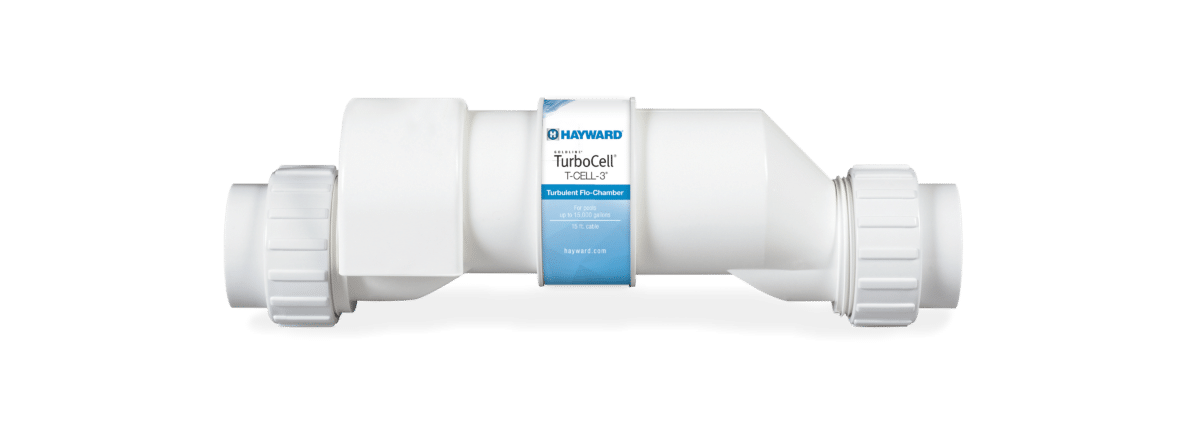
An automatic chlorine feeder uses your pool’s circulation system to erode trichlor tablets at a steady rate. You set the feed rate with the flow control valve, and dosing stops when your pump shuts off. You’ll install it downstream of the filter and heater, often with a check valve, so concentrated chlorine can’t damage equipment. Test free chlorine and pH with a DPD kit. Next, you’ll see how feeder types, installation, dosing, and maintenance compare. When maintaining water quality, consider using UV light for backyard pools to further reduce contaminants. This technology can help in killing bacteria and other pathogens that traditional chlorine treatments might miss.
Key Takeaways
- Automatic chlorine feeders use the pool’s circulation system to dissolve trichlor tablets steadily, maintaining sanitizer levels between manual checks.
- A flow control valve regulates how much water passes through the feeder, directly determining the chlorine dosing rate.
- Feeders install downstream of the filter and heater, often with a check valve, preventing concentrated chlorine from damaging equipment.
- Maintain at least 1 ppm free chlorine, or 2 ppm with cyanuric acid, and keep pH between 7.2 and 7.8.
- Use only manufacturer-approved chemicals, never mix calcium hypochlorite with trichlor, and relieve pressure before opening the feeder.
How do automatic chlorine feeders work

An automatic chlorine feeder is a metered dosing device that relies on your pool’s circulation system to deliver sanitizer between manual checks. In an erosion feeder, water diverted through the chamber gradually dissolves trichlor tablets or another manufacturer-approved product. The flow control valve sets how much water enters, so it directly influences the feed rate. When your pump stops, dosing stops too. You’ll typically install the feeder downstream of the filter and heater, and a check valve helps keep concentrated chlorinated water from backflowing into equipment it can damage. Remember that a valve setting doesn’t guarantee a chlorine level. Sunlight and bather load change demand, so test free chlorine and pH routinely and adjust the valve accordingly.
What types of automatic chlorine feeders are available
Automatic chlorine feeders are available in different plumbing configurations, such as in-line models, and for different chemicals, such as trichlor or calcium hypochlorite. Most residential units are erosion feeders: you load tablets, and water flowing through the chamber dissolves them while a control valve sets the feed rate. In-line models install directly in the return line, typically after the heater, or after the filter if you don’t have one. Other models connect differently, so follow your specific unit’s plumbing diagram.
Many feeders are built for slow-dissolving trichlor tablets, while others are designed for different products, such as calcium hypochlorite. Check your manual for approved chemistries and tablet dimensions before loading. Never mix calcium hypochlorite with trichlor or other concentrated chemicals. An unapproved product can create hazards or damage your equipment.
How do you install an automatic chlorine feeder

Install an automatic chlorine feeder by following your manufacturer’s plumbing diagram and installation instructions, because the correct position varies by model. Hayward’s in-line instructions, for example, place the feeder after the heater, or after the filter if you don’t have a heater. Jandy’s erosion-feeder instructions also call for installation downstream of both the filter and heater. The pool UV sanitizer installation location should also be carefully considered to ensure optimal water treatment. Ideally, it should be placed before any chemical feeders to maximize efficiency.
Concentrated chlorinated water can damage your heater and other equipment, so placement matters. Install a check valve if your manufacturer recommends one to limit backflow into sensitive components. Don’t connect the feeder directly to copper plumbing when the instructions warn against it.
The feeder depends on your circulation system, so confirm proper water flow after installation. Then test free chlorine and pH daily for the first several days, adjusting the control valve as needed.
How do you set the dosing rate on a chlorine feeder
Set the dosing rate by adjusting the feeder’s control valve, which regulates how much water flows through the unit and how quickly the tablets erode. Start with the setting your model’s manual recommends, then test free chlorine and pH with a DPD kit. Aim for at least 1 ppm free chlorine in unstabilized pools, or 2 ppm if you use cyanuric acid, with pH between 7.2 and 7.8. Check the residual daily for the first five days and adjust the valve in small increments. Don’t rely on a fixed setting: sunlight, bather load, and weather change sanitizer demand. Test at least twice daily, more often during heavy use, and never open the feeder without first shutting off the pump and relieving pressure as directed.
How do inline and offline chlorine feeders compare

Inline and offline feeders both erode tablets with circulating pool water, but they differ in how they connect to your plumbing.
| Inline feeder | Offline feeder |
|---|---|
| Installs directly in the return line | Mounts separately, connected by feed lines |
| Treats water passing through it | Treats water diverted to it |
| Hayward’s model goes after heater or filter | Placement follows its manual’s diagram |
| Chemistry and tablet size set by model | Accepted chemistry also varies by model |
| Check valve may protect equipment | Inspect lines and seals routinely |
Whichever you choose, follow the manufacturer’s plumbing diagram and keep concentrated chlorinated water away from your heater. Don’t install either directly into copper plumbing if the manual forbids it. Before opening either unit, turn off the pump and relieve pressure as the manual directs.
How do you maintain and troubleshoot an automatic chlorine feeder
Maintain an automatic chlorine feeder by keeping it clean and inspecting its cover, seals, and lines on the schedule your manufacturer specifies. Troubleshoot it by testing free chlorine and pH with a DPD kit before you adjust anything. Turn off the pump and relieve pressure as the model’s manual directs before opening the feeder for any maintenance, then put on eye and skin protection and avoid inhaling chemical fumes. Reload only the tablet type and size your model approves. Never mix chlorine products or add other chemicals unless the manufacturer expressly permits it. Understanding how hydroxyl AOP works in pools can enhance water clarity and disinfection. This method utilizes advanced oxidation processes to break down contaminants more effectively than traditional chlorine treatments.
Test free chlorine and pH with a DPD kit whenever your chlorine residual drifts, before you change anything. Then adjust the control valve based on your readings. If your chlorine keeps running low, remember that sunlight and heavy pool use raise sanitizer demand. Also make sure your circulation system is running, because your feeder can’t dose without flow.
Conclusion
An automatic chlorine feeder is one of the simplest ways to keep your pool clean, steadily dissolving tablets through your circulation system so sanitizer levels hold between manual checks. The payoff is consistent, hands-off chlorination, as long as you set it up right: install it downstream of the filter and heater with a check valve where recommended, follow your manufacturer’s plumbing diagram, and load only approved tablets. From there, let testing guide you, aiming for at least 1 ppm free chlorine (2 ppm with cyanuric acid) and pH between 7.2 and 7.8, and adjust the control valve as sunlight and bather load shift demand. Treat it as a reliable partner to good testing rather than a set-and-forget fix, and a quality feeder keeps your water clean, balanced, and swim-ready with far less daily effort.
Call Today and Upgrade Your Pool Sanitation
From UV sanitizers to automatic chlorine feeders to AOP systems, the right sanitation keeps every swim safe. Prime Pool Market carries dependable Pool & Spa Chemicals built around clean, healthy water for every pool. Call 877.650.7665 today and shop quality sanitation gear.
Frequently Asked Questions
Can I Put Chlorine Tablets in My Skimmer Basket Instead?
No, you shouldn’t place sanitizer tablets in your skimmer basket. Use an approved feeder as its manufacturer directs instead. Check the manual to confirm which tablet chemistry and dimensions your feeder accepts, and never mix calcium hypochlorite with trichlor. Wear eye and skin protection, and shut off the pump before opening the unit. Finally, test free chlorine and pH routinely, and adjust the control valve based on your measured readings.
What Free Chlorine Level Should My Pool Maintain?
Keep free chlorine at least 1 ppm if your pool doesn’t use cyanuric acid stabilizer. If you use cyanuric acid or stabilized products like trichlor, maintain at least 2 ppm. Hold pH between 7.2 and 7.8, since higher pH weakens chlorine’s germ-killing power, especially above 8.0. Test free chlorine and pH with a DPD kit at least twice daily, and adjust your feeder’s control valve based on your measured residuals.
Does Pool pH Affect How Well Chlorine Works?
Yes. As your pool’s pH rises, chlorine loses germ-killing power, and the loss worsens above pH 8.0. Keep your pH between 7.2 and 7.8, as CDC recommends. That range also reduces eye and skin irritation. Test free chlorine and pH at least twice daily with a DPD kit, and test more often during heavy use. Don’t assume your feeder’s setting guarantees effective disinfection. Adjust it using your actual measured results.
How Often Should I Test My Pool Water With a Feeder?
Test free chlorine and pH at least twice daily, and test more often during heavy use, as CDC advises. A feeder doesn’t replace testing; sunlight, bather load, and weather change sanitizer demand. After setup, check residual daily for five days, as one Jandy manual recommends, then adjust the control valve using DPD results. Keep pH at 7.2 7.8 and free chlorine at least 1 ppm, or 2 ppm with cyanuric acid.
Can I Mix Calcium Hypochlorite and Trichlor Tablets?
No, you shouldn’t ever mix calcium hypochlorite tablets with trichlor tablets or other concentrated chemicals. Combining them can create serious hazards and damage your equipment. Load only the tablet chemistry your feeder’s manufacturer approves, and check the manual for accepted tablet types and dimensions. Don’t add any other pool chemicals to the feeder unless the manufacturer expressly permits it. When servicing, wear eye and skin protection and avoid inhaling fumes.