
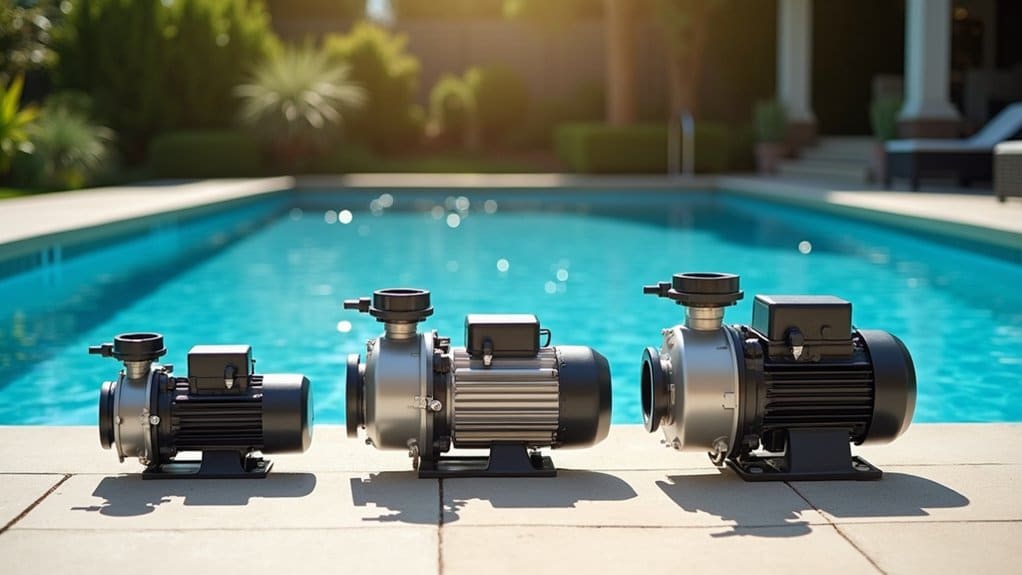
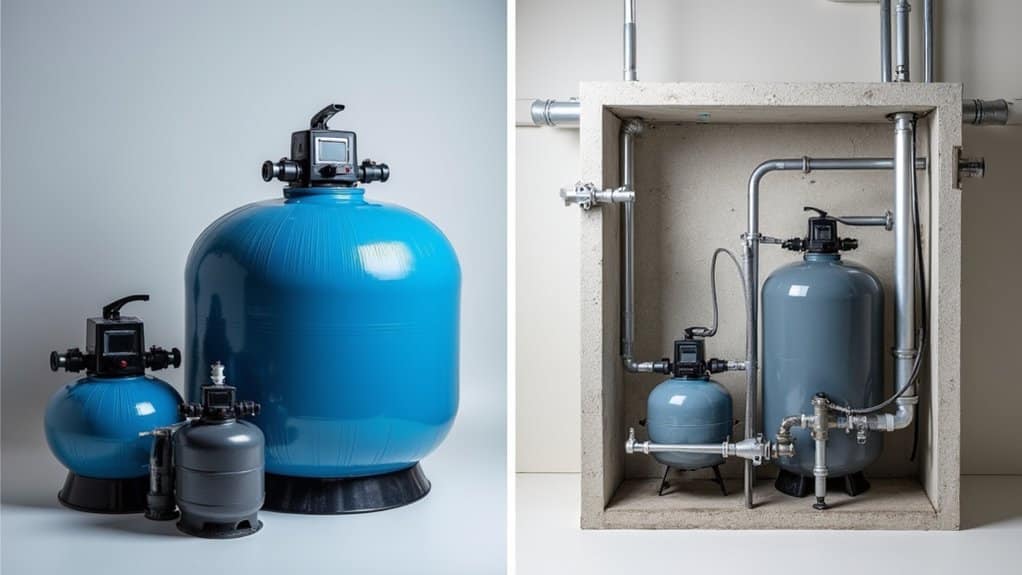
You need a pool filter cover to shield your pump and filter housing from UV rays, hail, and temperature extremes that accelerate corrosion and seal degradation. Covers prevent leaves, sand, and debris from clogging your system and destabilizing water chemistry. They’re essential for safety, blocking access while reducing algae growth and maintenance labor. By minimizing contaminant buildup, you’ll extend equipment lifespan and lower chemical consumption enormously. Understanding which cover type suits your specific pool environment reveals substantial long-term savings.
Protecting Your Equipment From Weather and Environmental Damage
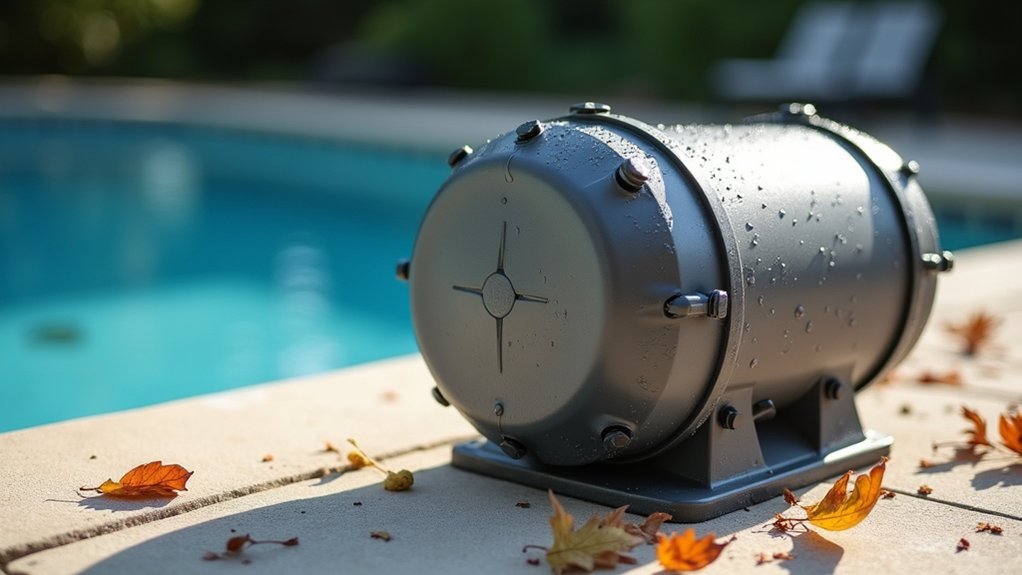
Because pool filter equipment operates in outdoor environments year-round, it’s constantly exposed to damaging weather conditions and environmental stressors that can drastically, considerably, or substantially shorten its operational lifespan. A quality cover shields your pump and filter housing from UV rays, hail, wind-driven debris, and temperature extremes that warp seals and degrade plastic components. By implementing proper equipment storage practices with adequate cover protection, you’ll minimize corrosion on metal fittings and prevent water intrusion into motor housings. Temperature modulation provided by covers reduces thermal cycling stress on joints and seals, preventing leaks. You’ll also guard against salt spray, pollutants, and dust accumulation that accelerate oxidation. Proper sanitation system protection ensures your water quality maintenance remains effective when equipment is shielded from environmental contamination. Quality covers help extend equipment lifespan by protecting pump and filter components from the harsh outdoor elements that cause premature wear. Pump motors rely on airflow to prevent overheating, so ensure your cover design allows for proper ventilation during operation. Ultimately, strategic cover use extends equipment life, reduces maintenance frequency, and protects your investment from preventable environmental damage.
Preventing Debris Contamination and Filter Clogs
You’ll find that leaves and organic matter create the most persistent clogging problems, as they decompose and break down filter media while accumulating in skimmer baskets. Sand and sediment buildup compounds these issues by creating abrasive particles that damage pump seals and reduce filtration efficiency over time. A pool cover acts as your first line of defense, preventing both contaminant types from entering your water and protecting your filtration system from premature wear. Quality pool covers engineered with premium materials and proper installation can extend equipment lifespan while maintaining optimal system performance. By reducing debris accumulation, pool covers can minimize chemical consumption as your filtration system operates more efficiently with fewer contaminants to process.
Leaves and Organic Matter
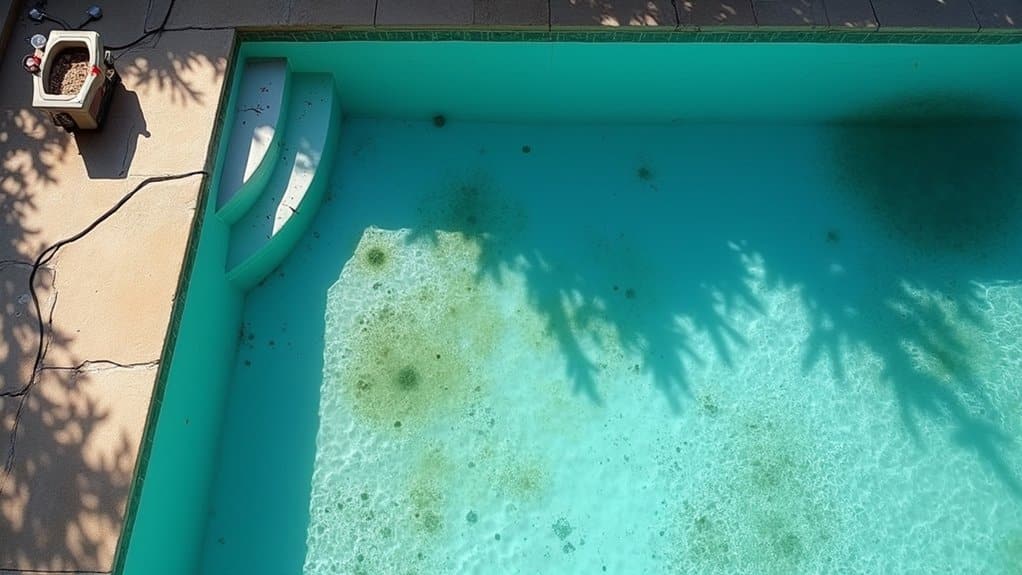
When you leave your pool uncovered, leaves, twigs, insects, and organic debris accumulate in the water, creating a cascade of maintenance challenges that pool covers effectively prevent. These organic materials introduce nutrient sources that fuel algae proliferation and microbial blooms, compromising water clarity and quality.
By implementing pool covers, you achieve nutrient elimination and microbial inhibition simultaneously. The physical barrier blocks debris entry, reducing the organic load that reaches your filters. Consequently, your filtration system operates with decreased strain, requiring fewer backwashing cycles and extended cleaning intervals. This translates to prolonged filter life and improved mechanical performance. Pool covers also maintain water chemistry balance, preventing the destabilization that occurs when debris contaminates your pool.
Additionally, lower organic contamination stabilizes your pool’s chemistry, reducing chlorine demand and minimizing chemical fluctuations. You’ll experience reduced maintenance labor, lower operating costs, and sustainable water conservation through this straightforward preventative measure. Pool covers can reduce chemical loss by up to 50% by preventing evaporation, further enhancing the efficiency of your pool maintenance routine.
Sand and Sediment Buildup
Sand and sediment infiltration represents one of the most damaging threats to your pool’s filtration system and water quality. Broken sand filters and worn components like standpipes and laterals allow media escape through return lines. You’ll notice cloudy water and compromised sanitizer effectiveness when sediment accumulates. A protective cover implements effective sediment removal techniques by blocking wind-carried dust and soil from entering your filter housing. Modern filtration systems utilize 5 micron filter technology to effectively remove dirt, sand, rust, and debris while providing cleaner water for your pool. Unbalanced pool water from sediment contamination can lead to algae blooms and health issues for swimmers if left unaddressed. Pools surrounded by earth or lawn environments experience increased sediment settling, making preventative covers particularly essential for these high-exposure locations.
| Problem | Impact |
|---|---|
| Uncovered filters | External debris contamination |
| Clogged media | Increased pressure drops |
| Sand bypass | Bacterial multiplication |
| Worn laterals | System inefficiency |
Sediment accumulation mitigation requires routine maintenance and filter covers, reducing part replacements and operational costs. You’ll maintain ideal water clarity while extending equipment lifespan substantially.
Ensuring Safety for Children and Pets
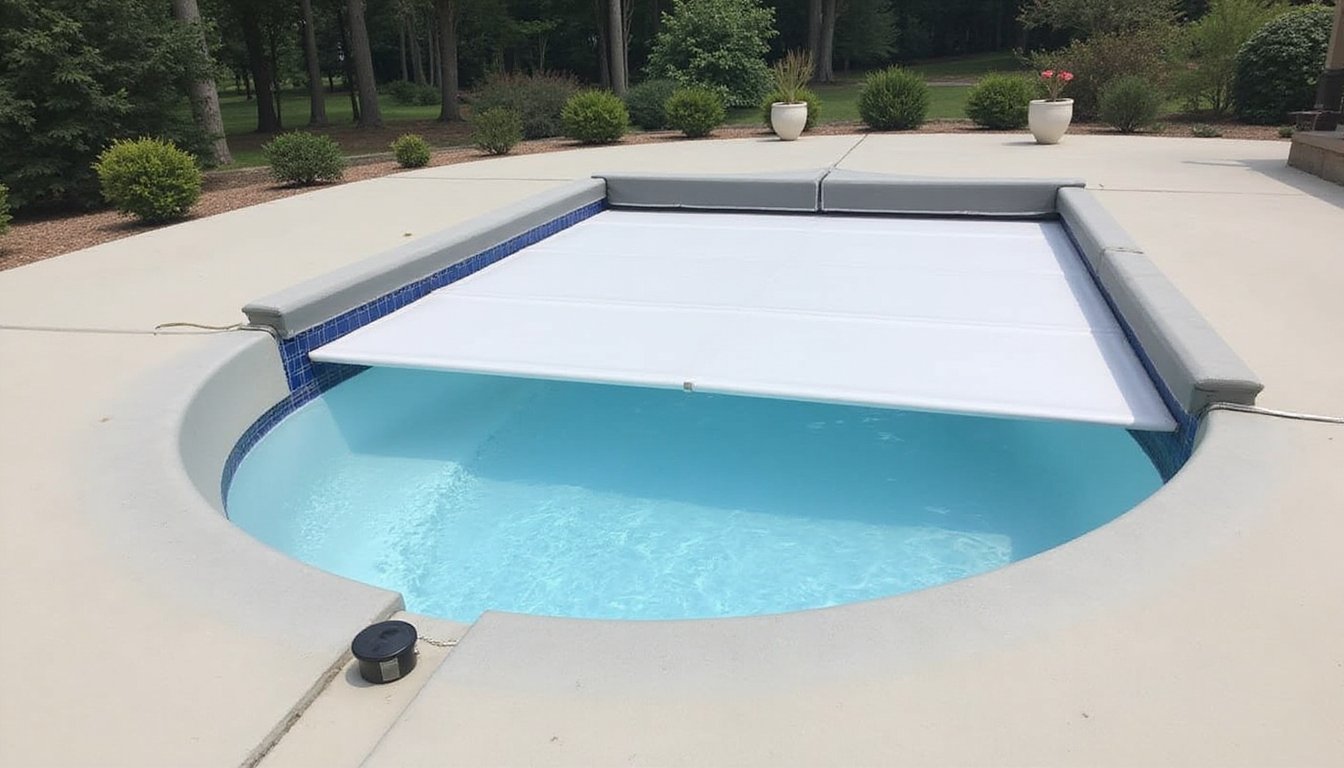
Every pool owner faces a vital responsibility: preventing unintentional drowning and accidents involving children and pets. You’ll find that properly secured safety covers create a physical barrier that considerably reduces submersion risks, especially during unsupervised moments or off-peak seasons.
Quality mesh or solid covers withstand substantial weight, preventing accidental entry far more effectively than standard tarps. You can lock or automate these covers to restrict access after swimming hours, adding pivotal security when supervision lapses. Mesh covers block 98% of light, which keeps algae growth negligible and maintains water clarity for better visibility.
Beyond child safety, you’ll protect household pets and wildlife from drowning hazards. This thorough protection demonstrates responsible pool ownership, reducing your decreased legal liability and increasing your property value. Additionally, custom-fitted covers are manufactured to the exact shape of your swimming pool for a secure fit that prevents gaps or shifts. Automatic safety covers can be conveniently operated with a button, making consistent protection effortless for busy families. You’ll also satisfy municipal compliance requirements and insurance policy mandates, providing measurable peace of mind while safeguarding your family and community.
Improving Water Quality and Clarity
When you cover your pool, you’re establishing a physical barrier that prevents leaves, dirt, and pollen from degrading your water quality while simultaneously reducing the filter strain that leads to cloudiness. By blocking sunlight, your cover suppresses algae growth and slashes your reliance on chemical treatments, which means you’re maintaining a more balanced chemical environment without the frequent adjustments that destabilize clarity. You’ll notice fewer contaminants entering the water system, which directly translates to reduced cloudiness, fewer clarifiers needed, and a noticeably brighter pool that stays clear longer between maintenance cycles. A pool cover also significantly reduces water evaporation, which decreases the need for frequent water changes and chemical rebalancing that can otherwise compromise your pool’s clarity and stability. This protection from harsh environmental conditions ensures your pool maintains its integrity throughout the year. High-quality filters working in conjunction with your pool cover will require reduced frequency of backwashing, further conserving both water and the resources needed to maintain optimal water quality.
Debris Prevention & Filtration
Because organic debris constantly enters pools through wind, weather, and surrounding vegetation, pool covers function as your first line of defense against water contamination. By blocking leaves, pollen, and insects, you prevent microbial growth and algae prevention becomes considerably easier. When debris accumulates, decomposing organic matter creates ideal conditions for harmful microorganisms to thrive.
A quality pool cover dramatically reduces your filtration system’s workload. Less debris means your pump and filter operate more efficiently, extending equipment lifespan while cutting electricity consumption by 20-30%. You’ll spend less time on maintenance, as reduced particulate contamination minimizes filter cleaning frequency and backwashing cycles.
Mesh covers specifically prevent small debris entry while allowing rainwater drainage, preventing water accumulation that strains your filtration system. Solid covers offer complete protection during storms, safeguarding against large-scale debris infiltration and maintaining superior water clarity throughout the season.
Chemical Balance & Algae Control
While debris prevention addresses physical contamination, pool covers tackle chemical stability and algae proliferation, two critical factors that directly impact water quality and clarity. You’ll achieve increased chemical stability by blocking sunlight, which slows chlorine breakdown and reduces your chemical consumption by up to 60%. This protection enables ideal pH maintenance without constant adjustments, as decreased evaporation preserves chemical concentrations naturally.
Simultaneously, covers suppress algae development by limiting light exposure, eliminating the need for excessive algaecides and shock treatments. You’ll notice improved water clarity and reduced green discoloration as algae growth diminishes. By preventing organic matter entry and external contamination, you minimize bacteria introduction and intensive chemical interventions. The result? Cleaner, safer water that requires less frequent testing while supporting equipment longevity through balanced chemistry and reduced operational stress.
Reduced Cloudiness & Contamination
Beyond chemical stability, pool filter covers directly enhance water clarity by minimizing the physical contaminants that compromise visibility and pool aesthetics. When you use a cover, you’re reducing the less filtering load on your system, allowing filters to focus on waterborne contaminants rather than battling excessive debris. This targeted approach keeps your cleaner filtration media functioning ideally, extending its lifespan and performance.
Reducing Chemical and Energy Consumption
When you cover your pool, you’re directly addressing two of the largest operational expenses: chemical treatments and energy costs. A pool cover shields chlorine and sanitizers from UV breakdown, reducing chemical degradation by up to 60%. You’ll spend less on maintaining water chemistry because debris prevention minimizes organic contamination, and algae suppression limits sanitizer demands. Meanwhile, thermal retention cuts heating requirements dramatically, covers retain up to 70% more heat, lowering heating costs considerably throughout your swimming season.
Your filtration system also operates more efficiently:
- Cleaner water reduces pump runtime and electricity consumption
- Fewer contaminants decrease strain on filtration units
- Less debris means skimmers work more effectively
These combined effects translate to measurable savings on both chemical and utility expenses while extending equipment lifespan.
Extending Equipment Lifespan and Reducing Repair Costs
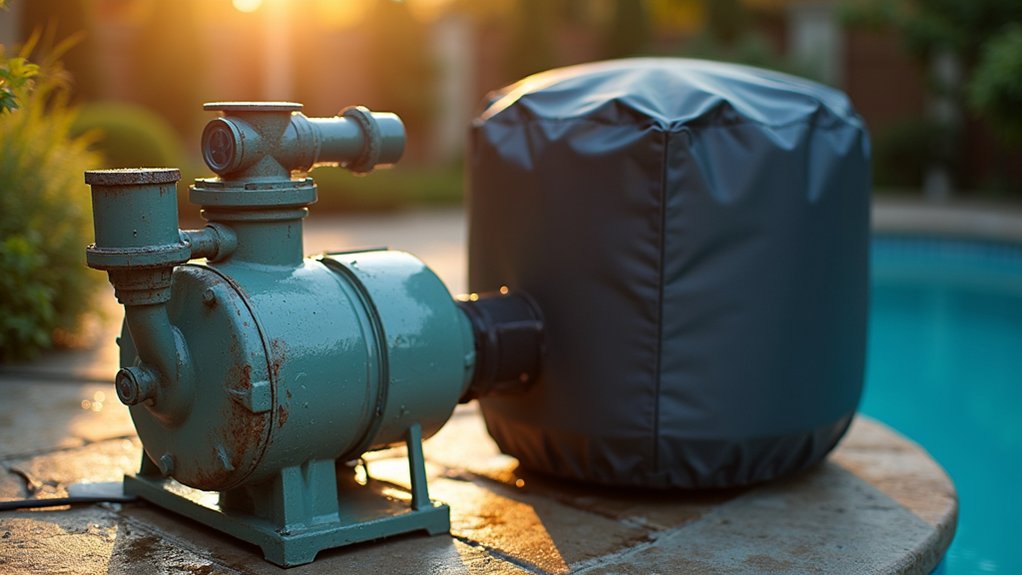
Your pool’s operational savings don’t stop at reduced chemical and energy consumption; they extend into the longevity of your equipment itself. A filter cover shields your pump, heater, and filter from UV radiation, freezing temperatures, and debris, all primary culprits behind premature degradation. By minimizing environmental exposure, you’re directly achieving operating cost reductions through fewer replacement cycles. Your pump typically lasts 8 10 years, filters around 10 years, and heaters about 8 years. With proper protection, these timelines extend considerably, supporting equipment value preservation. Additionally, covers reduce mechanical strain on your filtration system, lowering maintenance frequency and professional service calls. This balanced protection against environmental stressors delays costly repairs and replacements, making filter covers a smart investment in your pool’s financial sustainability.
Minimizing Noise and Enhancing Aesthetics
Pool pump systems generate considerable operational noise, typically 70 90 dB, equivalent to a vacuum cleaner, that can disturb household comfort and strain neighbor relations. Acoustic enclosures reduce noise by up to 90%, employing mass-loaded vinyl, acoustic foam, and closed-cell polyethylene to absorb and block sound effectively. Beyond compliance with regional noise ordinances, this reduction fosters relaxation and enhances your poolside environment.
Simultaneously, filter covers conceal unsightly mechanical components while preserving your backyard’s aesthetic appeal. Custom-fit models with UV-resistant, rustproof materials blend seamlessly with your landscaping without degrading under harsh sun exposure.
- Noise reduction allows natural sounds, conversation, birdsong, water features, to predominate, elevating your outdoor experience
- Visual concealment maintains a clean, uncluttered pool area that complements your décor
- Property enhancement positions quieter pools as desirable features, potentially boosting property value
Preparing Your Pool for Seasonal Changes
Every shift between seasons requires thorough upkeep that’ll shield your investment and guarantee safe, hygienic water conditions year-round. A pool filter cover protects your filtration system during off-season storage, preventing debris accumulation and equipment deterioration.
Establish routine maintenance schedules aligned with seasonal changes. Before closing, perform seasonal water balancing by adjusting pH, alkalinity, and calcium hardness to prevent corrosion or scaling during dormancy. Clean and backwash your filter thoroughly, then install the cover to shield internal components from weather exposure and contamination.
Upon reopening, inspect the covered filter for damage, verify pump operation, and check pressure readings. Resume regular circulation to restore water clarity and chemical efficacy. A protective cover streamlines reopening procedures by maintaining filter integrity, reducing prep time and minimizing costly repairs from seasonal neglect.
Supporting Environmental Sustainability
Beyond protecting your equipment during seasonal dormancy, pool filter covers deliver measurable environmental benefits that extend far beyond your backyard. You’ll considerably reduce water consumption through decreased evaporation, covers minimize loss by up to 95%, lowering municipal water demand. You’ll also decrease chemical runoff entering local waterways, supporting ecological conservation efforts in your community.
By implementing covers, you’re advancing sustainable waste management practices:
- Reduced chemical use prevents contamination of soil and aquatic ecosystems
- Lower filtration demands decrease energy consumption and carbon emissions
- Extended equipment lifespan minimizes landfill waste and resource depletion
You’re actively participating in pollution prevention while optimizing pool operations. Your cover choice directly impacts local water quality, biodiversity protection, and environmental stewardship. These aren’t marginal benefits; they’re substantial contributions to sustainable recreation practices.
Frequently Asked Questions
What Types of Pool Filter Covers Are Available, and Which Is Best for My Setup?
You’ll find five main pool filter cover types: metal enclosures, mesh covers, solid covers, tarp covers, and backless enclosures. Your best choice depends on filter compatibility factors and seasonal maintenance considerations. Metal enclosures provide durability and noise reduction; mesh covers suit wet climates; solid covers offer maximum protection in dusty areas. Tarp covers are budget-friendly but require frequent replacement. Backless options work for tight spaces. Evaluate your pool’s location, climate, and maintenance needs before selecting.
How Do I Properly Install and Maintain a Pool Filter Cover Year-Round?
You’ll install your pool filter cover by assembling panels, securing fasteners, and sealing pipe penetrations. For year-round success, you’ll need a consistent monitoring schedule, inspect seasonally for corrosion and loose hardware. You’ll clean surfaces regularly, keep ventilation grills debris-free, and lubricate hinges annually. Before winter, you’ll remove vegetation and verify anchoring integrity. This regular maintenance schedule prevents deterioration, guarantees proper airflow, and optimizes your cover’s protective lifespan.
Can a Filter Cover Be Used During Winter in Freezing Climates?
Yes, you can use a filter cover during winter, but it’s only a supplementary measure. While you’ll benefit from protecting your filter from freezing conditions and preventing ice formation on external surfaces, a cover alone won’t prevent internal freeze damage. You must drain your filter completely and remove water from all pipes first. Quality, breathable covers work best to minimize condensation risks during freeze-thaw cycles. Professional pool services often recommend full winterization over relying solely on covers.
What Size Cover Do I Need for My Specific Filter and Pump Model?
You’ll need to measure your filter’s diameter at its widest point and length between end caps to start sizing pool filter cover properly. Next, identify your specific filter and pump model number, then consult the manufacturer’s size reference tables for exact dimensions. You should also account for any threaded fittings and plumbing layout. Selecting right pool filter cover means matching these measurements precisely; oversized or undersized covers won’t provide adequate protection or fit securely.
Are Pool Filter Covers Compatible With All Pool Filtration System Types?
Most pool filter covers aren’t universally compatible with every filtration system. You’ll find covers designed for sand, cartridge, and DE filters, but you’ll need to match your cover’s size to your specific filter model. For in-ground pools, you’ve got more options available. If you’re running a saltwater system, verify compatibility before purchasing, as some covers don’t accommodate chlorine generator components. Always confirm your filter’s dimensions and manufacturer specifications for ideal fit.