
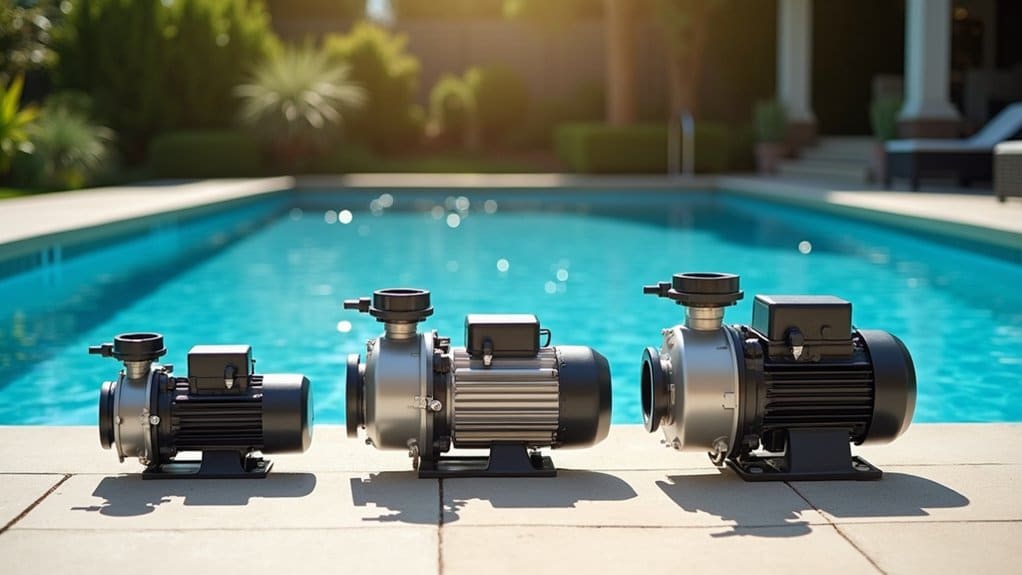
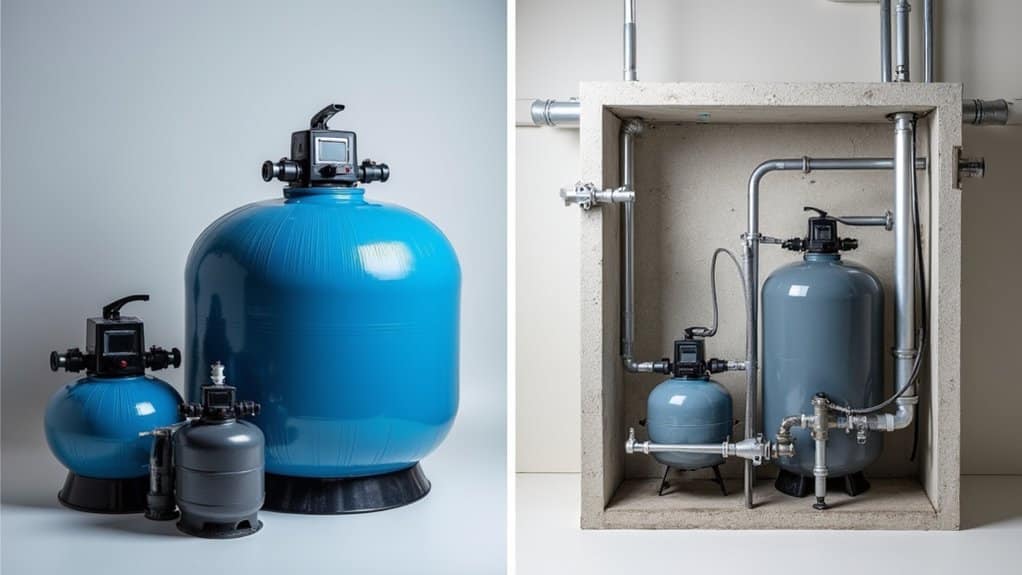
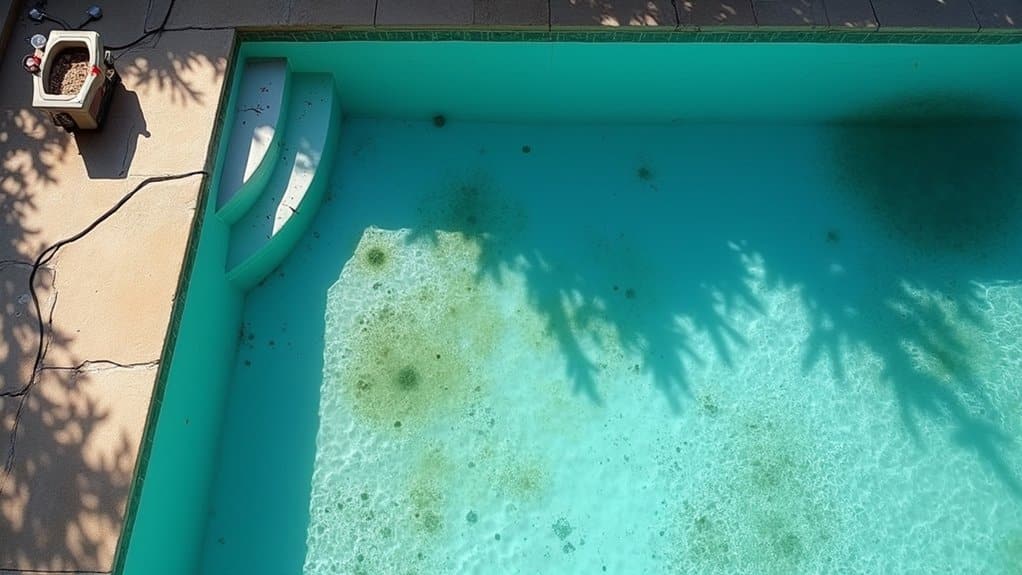
When your pool pump won’t prime, it can’t create the vacuum needed to pull water through the system meaning zero circulation and potential motor damage. The most common culprits are a low water level exposing the skimmer, suction-side air leaks at thread fittings or the pump lid O-ring, and clogged strainer baskets restricting flow. You’ll want to check each of these systematically before assuming a bigger mechanical failure. Below, we’ll walk you through every diagnostic step and fix. In addition to these issues, it’s important to be aware of common pool problems that can arise from improper maintenance, such as algae growth and cloudy water conditions. Regularly checking chemical levels and ensuring proper filtration can prevent these headaches. By staying on top of these aspects, you’ll help keep your pool in optimal swimming condition all season long.
What It Really Means When Your Pool Pump Won’t Prime
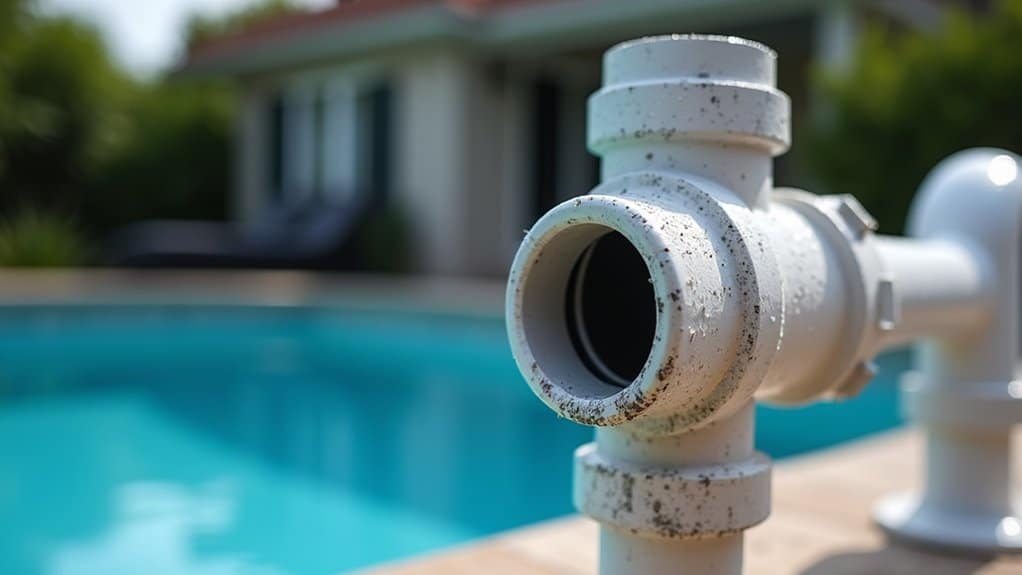
When your pool pump won’t prime, it means the pump can’t establish the vacuum needed to pull water from the pool through the suction lines. Air has entered the system somewhere between the pool and the pump, breaking the seal that sustains water flow. Without that vacuum, circulation stops and your filtration system can’t function. A pump that continues to run without priming can lead to overheating and damage, making it critical to address the issue promptly.
A pool pump not priming typically points to one of several root causes: suction-side air leaks, clogged baskets or strainers, an empty pump pot, a faulty check valve, or impeller and motor speed issues. Each disrupts the pump’s ability to move water. Identifying which factor is at play determines your fix and prevents equipment damage from dry running. A low pool water level can also prevent priming by allowing the pump to gulp air through the skimmers instead of drawing in water. You should also confirm that skimmer doors move freely, as a stuck weir can restrict water intake and contribute to priming failures.
Low Water Level: The #1 Reason Your Pump Loses Prime
Low water level ranks as the single most common reason a pool pump loses prime. When your water drops below the halfway point on the skimmer opening, the skimmer sucks air instead of water and that air travels directly into your pump, breaking suction.
You’ll spot the problem quickly: bubbles shooting from return jets, weak flow, and a pump basket that’s only half-full while running. Your filter pressure will read lower than normal, confirming a suction-side restriction.
To fix it, shut the pump off and fill your pool until water reaches at least halfway up the skimmer door. Then manually prime the pump by filling the basket with a bucket before restarting. Monitor your low water level consistently, especially during hot weather, heavy bather loads, or windy conditions.
Air Leaks, Clogged Baskets, and Faulty Valves to Check
Even after you’ve confirmed the water level sits at the correct height, a pump that won’t prime usually points to air entering the suction side and the most likely culprit is a bad seal where the male adapter threads into the front of the pump. A pool pump air leak here results from degraded thread sealant, allowing air in under vacuum. Drape a damp cloth over the fitting if the pump’s tone changes, you’ve found it. If you’re also experiencing a situation where the pool not circulating water, check for blockages in the skimmer and pump baskets. Inspect the impeller for debris, as even small obstructions can hinder performance.
| Component | Symptom | Fix |
|---|---|---|
| Pump lid O-ring | Bubbles in strainer pot | Lubricate or replace O-ring |
| Skimmer basket | Intermittent prime loss | Reseat and clean basket |
| Three-way valve | Hissing at valve stem | Replace stem O-ring |
Work through each connection systematically, isolating skimmer and main drain lines separately to pinpoint the leak’s origin.
How to Prime Your Pool Pump Step by Step
Shut off the breaker not just the timer before you touch the pump lid, because a dry-run restart can burn out the motor seal in under two minutes. Confirm the water level sits above the skimmer intake, then close suction and discharge valves. Set the multiport valve to recirculate to bypass the filter entirely.
Open the strainer lid, clear debris, and inspect the O-ring for cracks lubricate it with pool-safe lube. Fill the housing with two to three gallons until no air pockets remain. Seal the lid, restore power, and watch for steady flow without large bubbles. If your pool pump losing prime persists, open one suction line at a time, starting with the main drain, and re-prime as needed. If you encounter algae issues in pool maintenance, it’s crucial to address them promptly to prevent further growth. Regularly test your water chemistry and adjust the levels as necessary to keep everything balanced.
Still Won’t Prime? When to Call a Pool Professional
When exactly should you stop troubleshooting and pick up the phone? If your pump hums without turning, you’re likely facing a seized motor shaft or capacitor failure both require professional diagnosis. Persistent air bubbles in return jets after you’ve checked O-rings and lid seals point to underground suction line breaks undetectable without specialized equipment.
| Symptom | Likely Cause | Why It’s Pro-Level |
|---|---|---|
| Pump hums, won’t spin | Capacitor or voltage fault | Requires electrical testing |
| Immediate prime loss after shutdown | Hidden suction leak | Needs pressure testing equipment |
| Erratic filter pressure swings | Impeller clog or valve failure | Demands disassembly |
During pool pump troubleshooting, if basic diagnostics don’t resolve priming within 90 seconds of steady operation, call a technician to prevent motor damage.
Frequently Asked Questions
Can a Priming Problem Cause Permanent Damage to My Pool Pump Motor?
Yes, a priming problem can cause permanent motor damage. When your pump runs dry, it loses the water flow needed for cooling and lubrication, generating excessive heat and friction. This overheats the motor, strains bearings and windings, and can lead to complete burnout if you don’t intervene. However, most priming issues stem from suction-side air leaks or clogged baskets not motor failure. You’ll prevent permanent damage by addressing these root causes early.
How Often Should I Replace the O-Ring on My Pump Strainer Cover?
You should replace your pump lid O-ring every couple of seasons, but don’t wait if you notice leaks or decreased efficiency. Inspect it each time you clean the pump basket look for tears, cracks, or stretching that could compromise the seal. When you reinstall the lid, apply a Teflon-based pool lube to maintain an air-tight seal and prevent pinching. Use model-specific replacements, like the SPX3200S for Hayward pumps.
Is It Normal for a Pool Pump to Lose Prime Overnight?
No, it’s not normal for your pump to lose prime overnight. This typically indicates a suction-side air leak check your pump lid O-ring, union connections, and valve stems for small leaks allowing air ingress. Also verify your pool water level sits at least halfway up the skimmer mouth to prevent vortex air draw. If a foot valve is installed, inspect it for leaks that let water drain back from the intake line.
Can Extreme Heat or Cold Weather Affect My Pool Pump’s Ability to Prime?
Yes, extreme temperatures directly impact your pump’s ability to prime. In cold weather, freeze-thaw cycles crack components and trap air in suction lines, blocking water flow on restart. In extreme heat, evaporation drops your water level below the skimmer, causing the pump to draw air instead of water. Heat also expands air pockets, making priming harder. You’ll want to maintain proper water levels, bleed trapped air, and inspect seals seasonally.
Will Running a Pool Pump Without Prime Increase My Electricity Bill Significantly?
Yes, running your pump without prime will increase your electricity bill. An unprimed pump draws full amperage typically 2.0 2.5 kWh per hour without moving any water, so you’re paying for zero filtration output. Over an 8-hour cycle, that can add $2 $3 daily, potentially $20 $50 monthly. Single-speed pumps waste the most energy in this state. You’ll want to resolve the priming issue quickly to avoid compounding costs.