
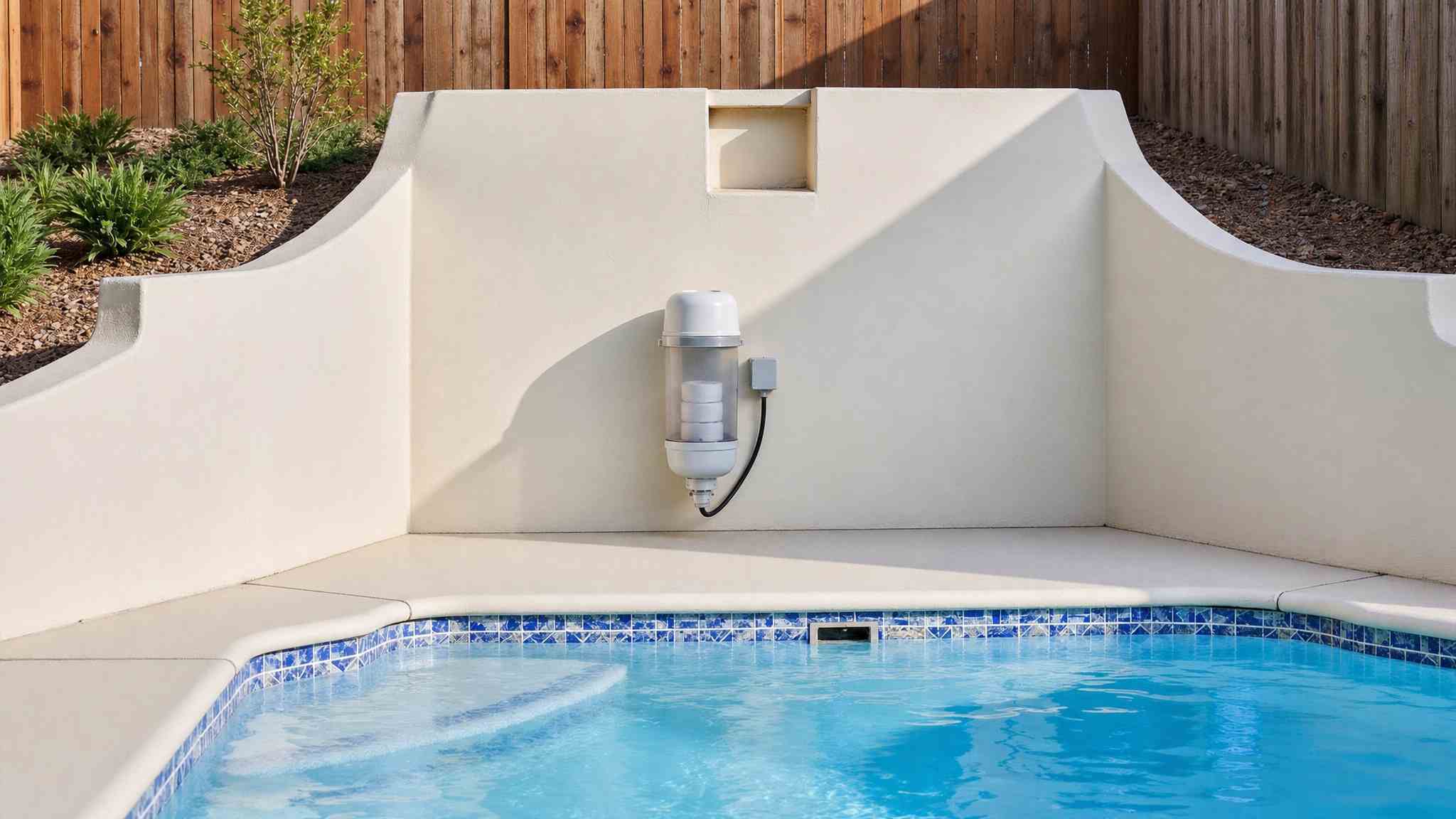
An in-floor cleaning system uses pop-up heads plumbed into your pool floor. Your pump drives filtered water through them, and directed jets sweep debris toward the main drain. A handheld vacuum makes you steer it, trapping leaves, sand, and silt in an onboard bag for 30 45 minutes per charge. You’ll pay less upfront for a handheld. In-floor systems automate coverage but need integrated plumbing. Next, you’ll see how performance, cost, and fit compare.
Key Takeaways
- In-floor cleaning systems use pop-up heads plumbed into the pool floor, while handheld vacuums require manual steering across the floor.
- In-floor systems use pump pressure to raise heads whose jets sweep debris toward the main drain, cycling through zones automatically.
- Handheld vacuums use rechargeable batteries or skimmer suction to pull debris, with cordless runtimes typically lasting about 30 45 minutes.
- In-floor systems offer hands-free whole-pool coverage, while handheld vacuums provide precise spot cleaning for steps, corners, and missed areas.
- Handheld vacuums cost far less upfront, while in-floor systems require integrated plumbing, typically installed during construction or major renovation.
In Floor Pool Cleaning System vs Vacuum
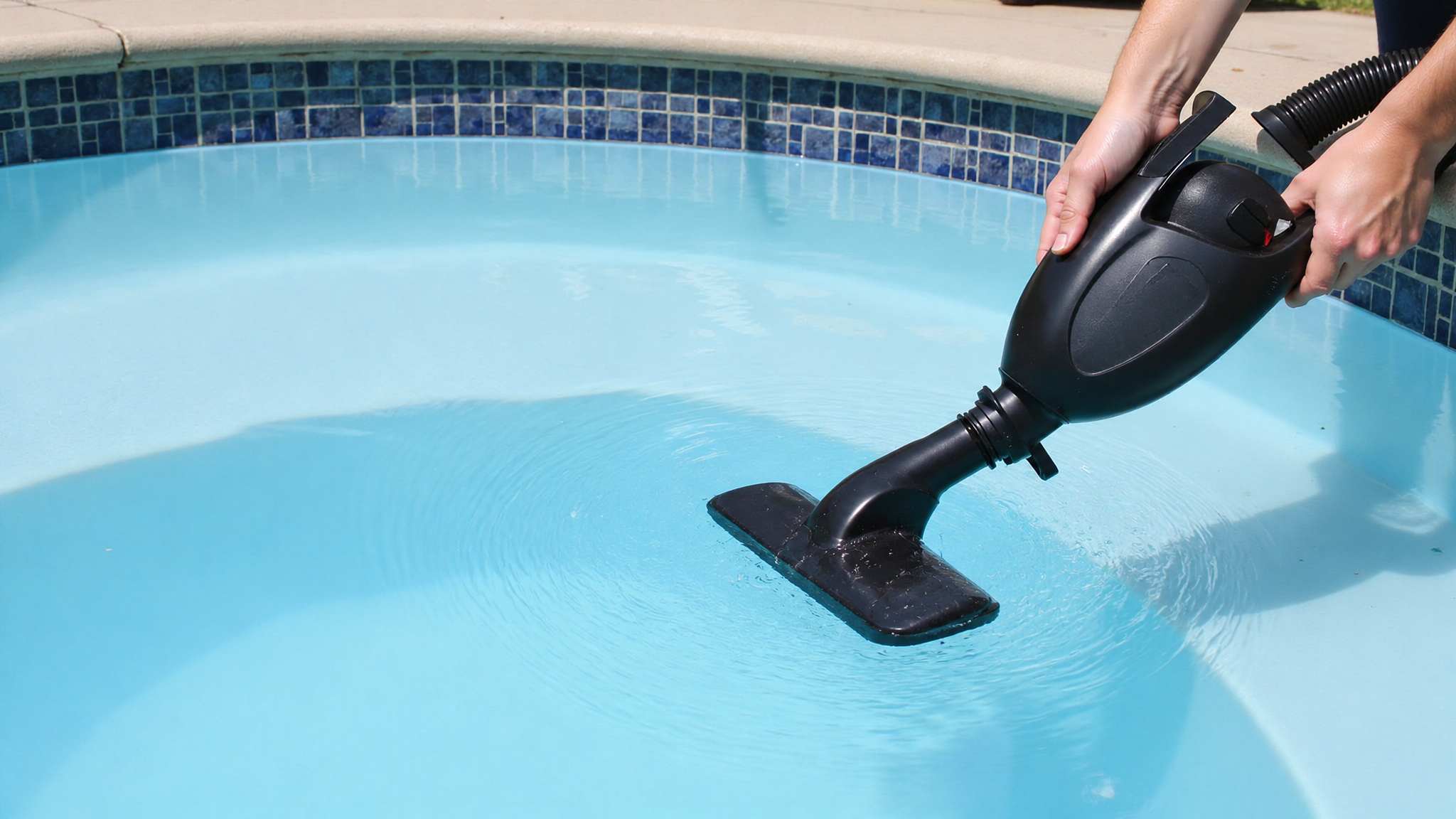
An in-floor cleaning system cleans your pool floor automatically through pop-up heads plumbed into the floor, whereas a handheld vacuum requires you to steer it manually. With an in-floor system, your pool’s circulation drives the heads, pushing debris toward the main drain or filter without manual effort. Because it needs integrated plumbing, you’ll usually plan it during construction or a major renovation. Swimming while a pool cleaner runs can be a relaxing experience, allowing you to enjoy your leisure time without worrying about the cleanliness of the water. You can simply float and soak up the sun as the system does its job in the background.
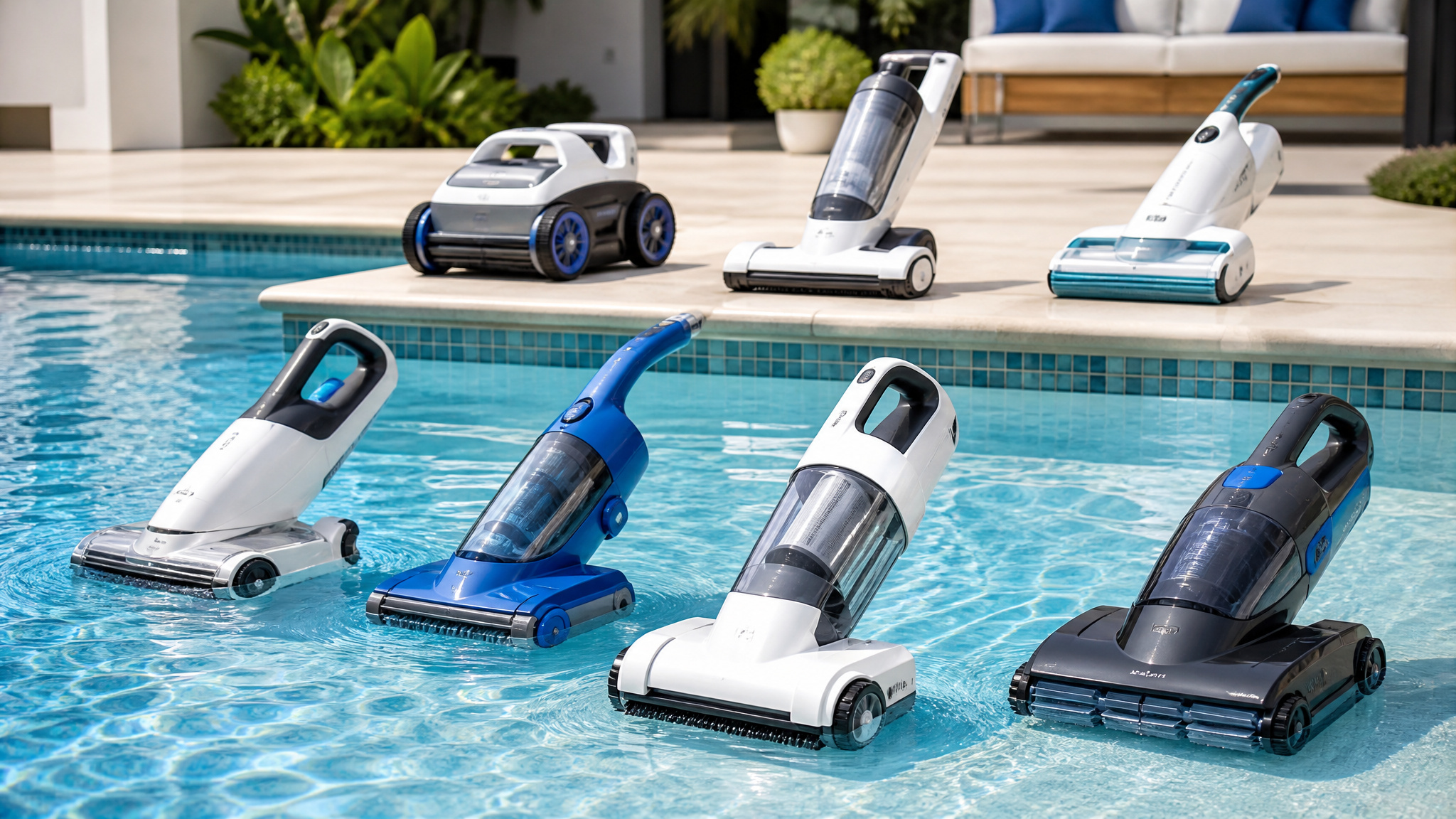
A handheld unit puts you in control. A cordless model runs on a rechargeable battery, typically for 30 45 minutes, and traps debris in an onboard bag. A suction vacuum connects to your skimmer and sends debris through the filtration system. Either way, you’ll steer it yourself, so it’s slower for whole-pool coverage but ideal for steps, corners, and spots automation misses.
How does an in floor pool cleaning system work
An in-floor pool cleaning system works by using your pump to push filtered water through dedicated plumbing to pop-up heads set flush in the pool floor. Water pressure raises each head, and it releases a directed jet that sweeps debris across the surface. A rotating valve cycles flow between head zones, so you get recurring, distributed cleaning without steering anything. The jets push dirt toward the main drain, where your circulation system carries it to the filter. Performance depends on head placement, pump capacity, and flow design, so you’ll need the system planned during construction or major renovation. Unlike a robotic cleaner, nothing roams the floor. For safety, check heads for blockages, keep drain covers secure, and clean your filter routinely. Don’t let anyone swim near a damaged drain cover. Storing a robotic pool cleaner in winter is essential to prolong its lifespan and maintain its functionality. Ensure that you thoroughly clean the unit before putting it away, as residue can lead to damage over time.
How does a pool vacuum clean a pool
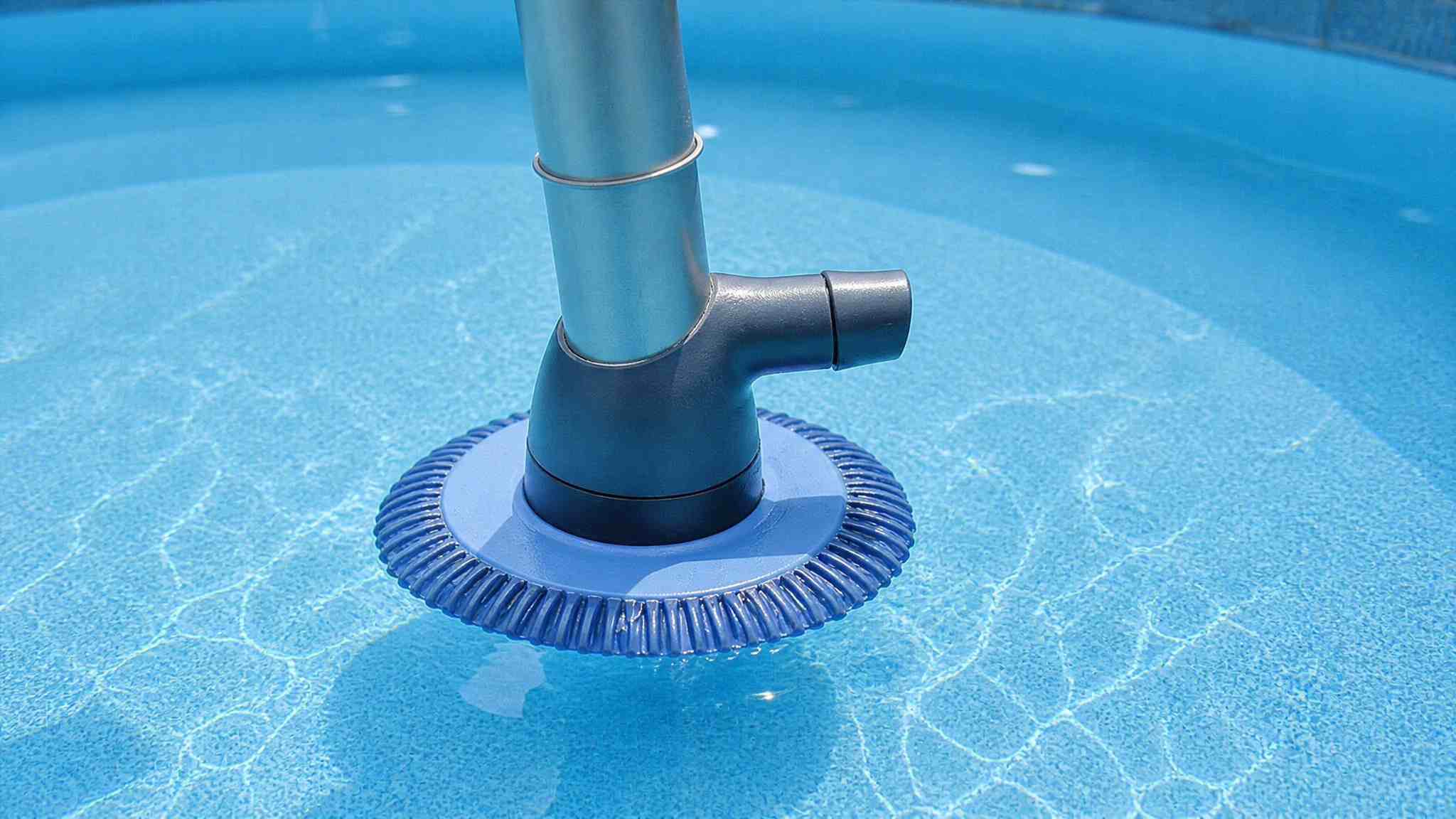
A pool vacuum cleans a pool by pulling debris off the floor through a head you guide yourself.
A cordless handheld model uses an onboard rechargeable battery and motor to draw water through the head, trapping leaves, sand, silt, and dirt in a filter bag or basket. You won’t need a hose, but you’ll get roughly 30 45 minutes per charge.
A suction-powered model connects to your skimmer or suction line, so your pool’s pump pulls debris into the filtration system instead.
You steer the head across steps, corners, and missed spots. Move slowly to avoid stirring up fine silt, empty and rinse the bag after each use, and recharge only as the manufacturer directs to protect the battery.
Which method cleans more thoroughly and with less effort
An in-floor system cleans with less effort and gives more thorough whole-pool coverage, while a handheld vacuum cleans more thoroughly when you need spot precision. An in-floor system gives you recurring, distributed floor cleaning through fixed pop-up heads, and it runs on your circulation equipment, so you won’t steer anything. Its performance still depends on system design and flow, so check heads and filters for blockages. A handheld vacuum lets you target visible debris, steps, and corners that automatic systems miss, but you’ll trade hands-on effort for slower coverage. Expect about 30 45 minutes per charge, and empty the debris bag often. Large leaves fill it fast. For less effort, choose in-floor cleaning. For precise touch-ups, keep a portable handheld unit, and charge its battery on a dry, stable surface away from the water.
How do an in floor pool cleaning system and a vacuum compare on cost
A handheld vacuum costs far less up front than an in-floor system. An in-floor system carries construction and plumbing costs that vary too widely to quote a reliable typical price.
| Cost Factor | What You’ll Pay For |
|---|---|
| Handheld purchase | Portable unit, no plumbing or construction |
| In-floor installation | Integrated plumbing, floor outlets, system equipment |
| Ongoing energy | Battery recharging or pool-pump electricity |
Cordless models need recharging, and you’ll eventually replace batteries as runtime declines. Suction-powered handhelds and in-floor systems both rely on your pool pump, so electricity use depends on the pump and its schedule. Don’t apply published robotic-cleaner prices or energy figures to either option. They’re a separate category. Get a site-specific quote for in-floor cleaning prior to committing, because retrofitting plumbing into an existing pool is more involved.
How do you choose between an in floor cleaning system and a vacuum
Choose an in-floor cleaning system if you’re building or renovating and want automated floor cleaning, and choose a handheld vacuum if you have a small pool, need quick spot cleaning, or want a portable tool without installation. The decision depends on your pool’s construction status, size, and how much hands-on cleaning you’ll accept. During a build or renovation, you can plan the plumbing, floor outlets, and system-specific equipment an in-floor system requires. It gives you recurring, automated floor cleaning, but its performance depends on system design and circulation. Retrofitting an existing pool is far more involved.
For a handheld vacuum, check battery runtime, which typically runs 30 45 minutes. Match the debris capacity and filtration to your expected load, since large leaves fill compact bags quickly. Empty and rinse the filter after each use. For large or debris-heavy pools, use the handheld alongside automatic cleaning, not instead of it. When considering how long robotic pool cleaners last, it’s important to evaluate the model’s warranty and customer reviews. Regular maintenance can significantly extend their lifespan, ensuring efficient performance over the years.
Conclusion
Both options keep your pool floor clean well, so the better choice comes down to your pool and your routine. An in-floor system is the hands-free pick: fixed pop-up heads run on your circulation and deliver recurring, whole-pool coverage, which makes it ideal to plan during a build or major renovation. A handheld vacuum wins on affordability and precision, letting you target steps, corners, and the spots automation misses without any plumbing or installation. For many owners the smartest setup is both, letting an in-floor system handle everyday coverage while a portable handheld takes care of quick touch-ups. Match the tool to your pool’s size, construction status, and how much hands-on effort you want, and either route keeps the water looking its best.
Call Today and Shop Pool Cleaning Essentials
Whether you need a reliable robotic cleaner, pump replacement, or filter accessories, quality gear makes maintenance easier. Prime Pool Market carries dependable Pool Pumps and cleaning supplies built for every pool size. Call 877.650.7665 today and shop the gear your pool deserves.
Frequently Asked Questions
Can an In-Floor Cleaning System Be Added to an Existing Pool?
Yes, but you’re facing a major retrofit, not a simple add-on. You’ll need built-in plumbing, floor outlets, and system-specific equipment, so it’s usually done during a major renovation. Have a qualified pool professional confirm your circulation system and pump can support it before anyone cuts into the shell. If you can’t justify that work, a handheld vacuum gives you targeted spot cleaning without any plumbing changes or construction risk.
Should I Still Own a Handheld Vacuum if My Pool Has In-Floor Cleaning?
Yes, you’ll benefit from keeping one. Your in-floor system cleans through fixed pop-up heads, so its coverage depends on circulation design, and it can miss steps, corners, and dead spots. A cordless handheld lets you target visible debris without dragging a hose. After each use, empty and rinse its filter bag, recharge it as directed, and check your pop-up heads and pool filter for blockages so your circulation isn’t restricted.
How Often Should I Empty and Rinse a Handheld Vacuum’s Filter Bag?
Empty and rinse your handheld vacuum’s filter bag after every cleaning session. If you’re picking up large leaves or heavy sand, check it mid-session, since compact bags fill quickly and a clogged bag cuts suction. Power the unit off before you open the debris compartment. Rinse the bag with a hose, let it dry fully before storage, and inspect it for tears. Then recharge the battery as the manufacturer directs.
What Should I Do if an In-Floor Pop-Up Head Gets Stuck?
Turn off your pool pump before you touch a stuck pop-up head; suction and pressure can pinch fingers or damage parts. Then inspect the head for debris like sand, pebbles, or leaves, and gently clear it. Next, check your pool’s filter and circulation flow, since clogs can reduce the pressure heads need to rise. If it still won’t move, don’t force it; call your installer or check the manufacturer’s instructions.
How Long Does a Cordless Handheld Pool Vacuum Battery Typically Last?
You’ll typically get about 30 45 minutes of cleaning per charge, though some advertised models reach 60 minutes. Runtime varies by model, so check the manufacturer’s specifications before you buy. Recharge the battery exactly as directed, and replace it when performance drops. After each session, you’ll need to empty and rinse the debris bag or filter. For large or debris-heavy pools, consider a more robust automatic cleaning system.