
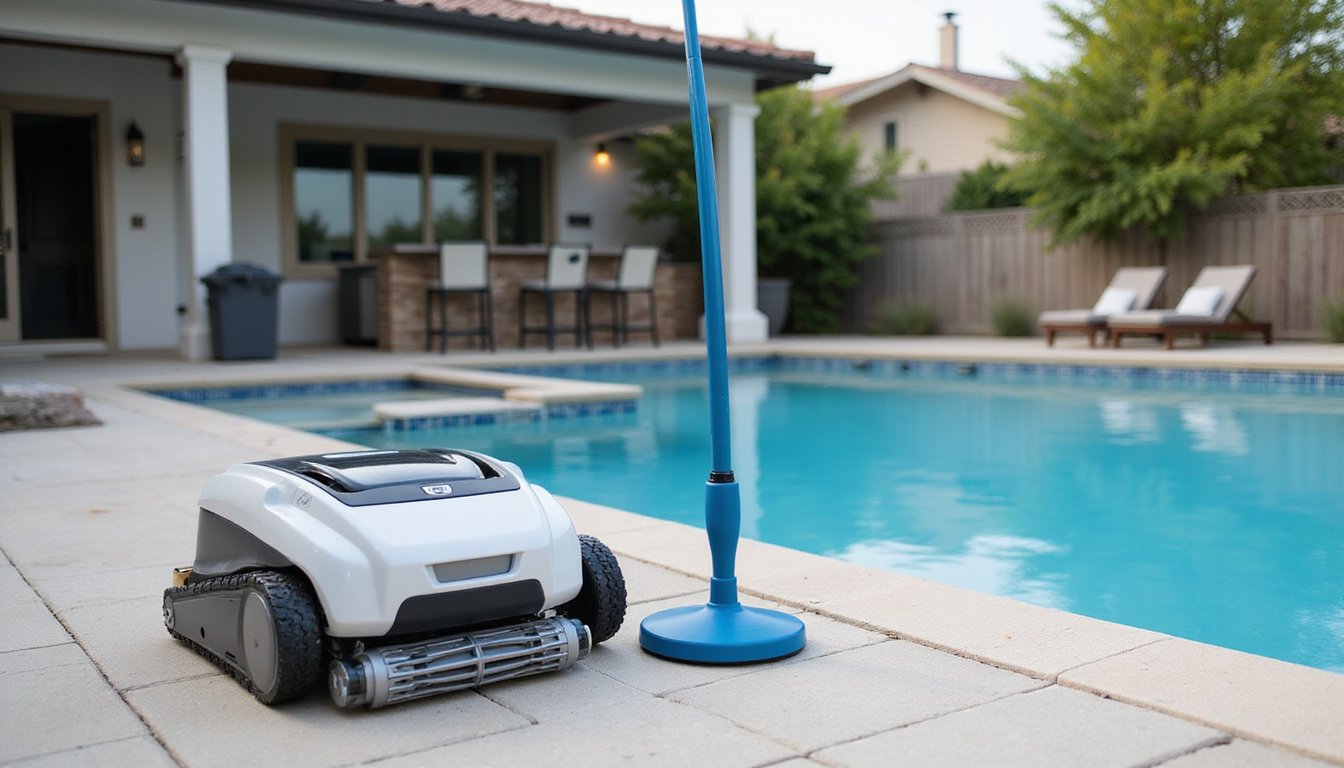
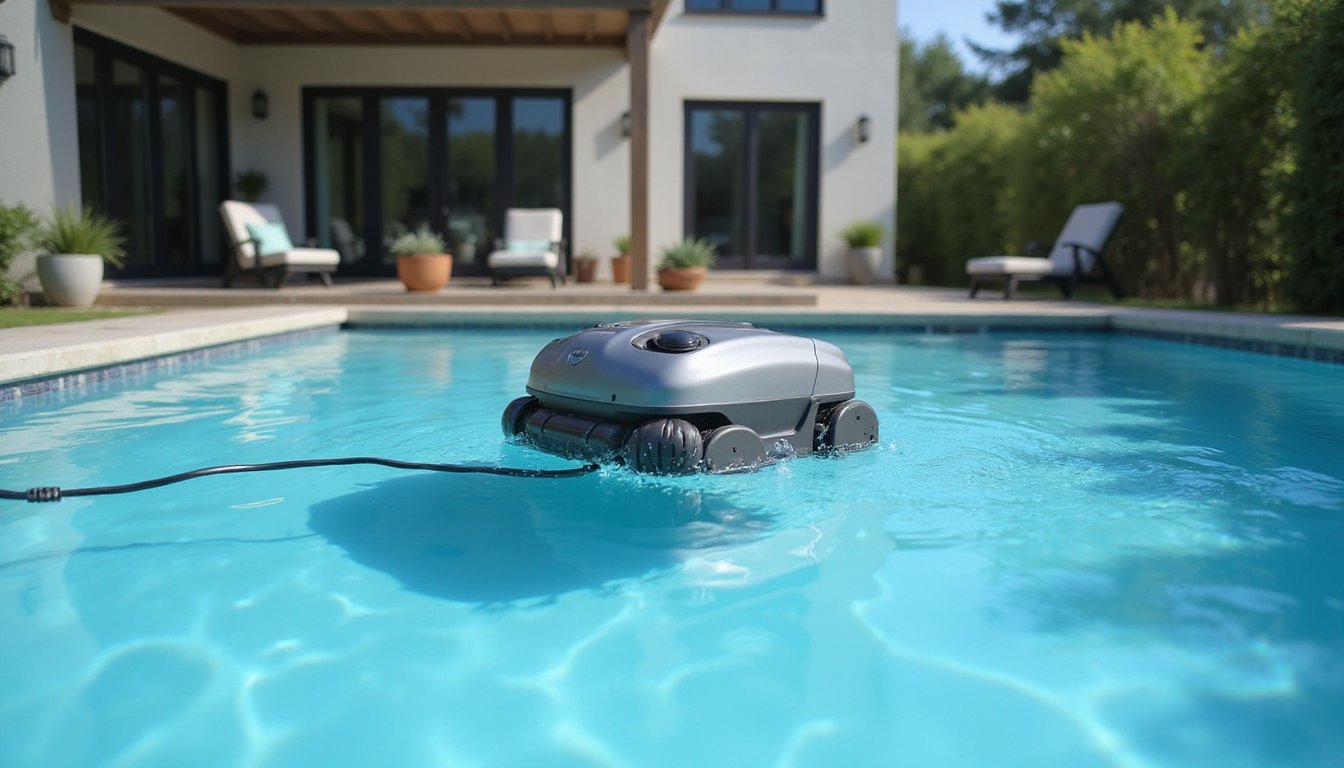
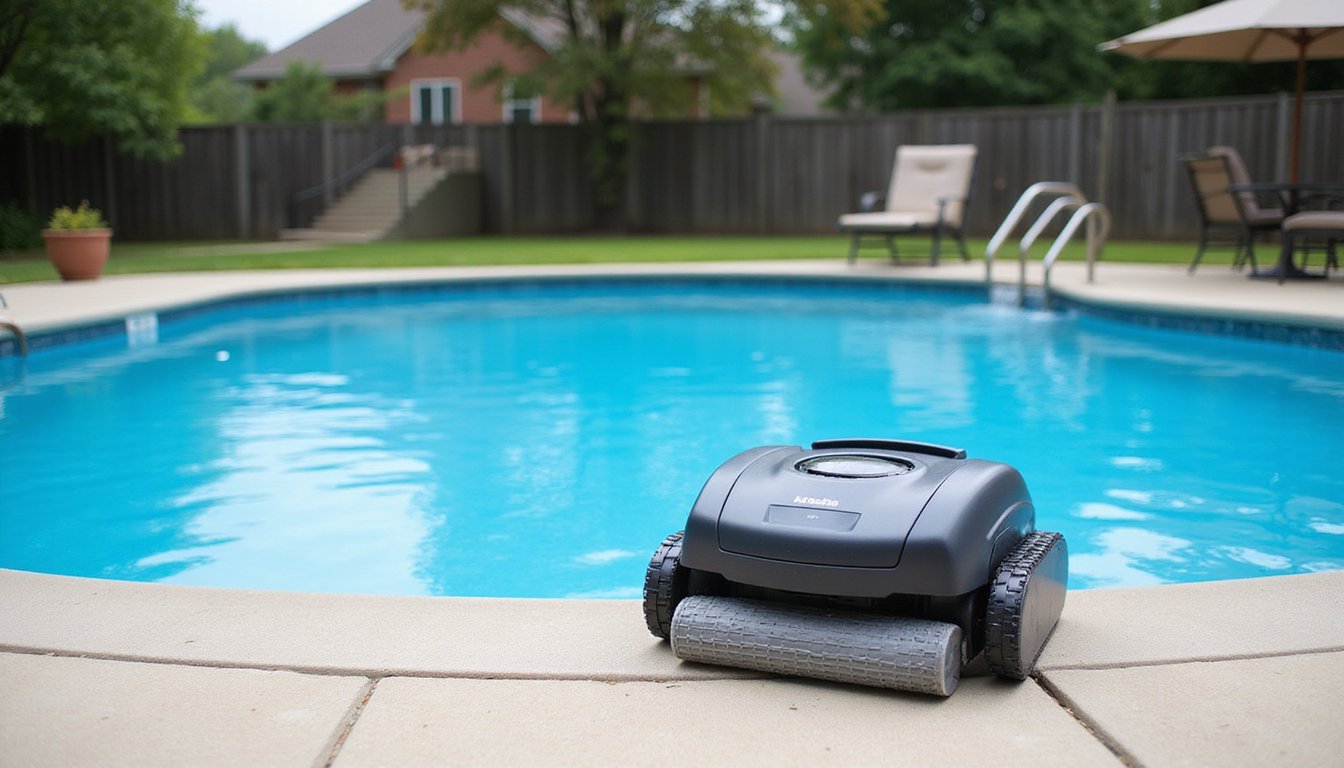
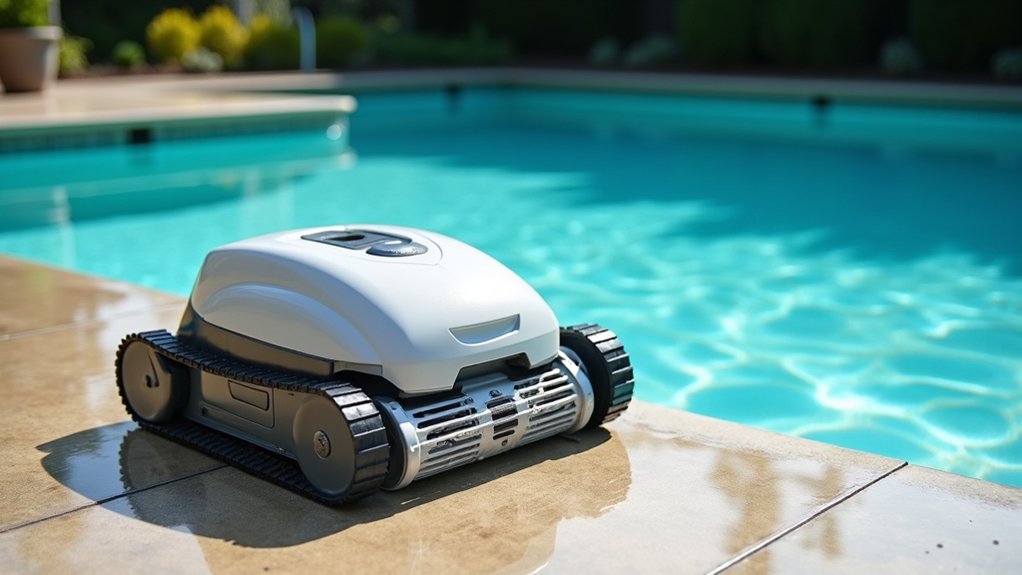
For most inground pools in 2026, the Hayward AquaRite is your best overall salt chlorinator it handles pools up to 32,000 gallons and integrates chlorination, heater, and pump control in one unit. If you need more capacity, the Pentair IC40 covers 40,000 gallons with tighter automation, while the CircuPool RJ-45 PLUS reaches 45,000 gallons with lower replacement cell costs. Sizing 1.5x 2x above your pool volume guarantees reserve capacity in warm climates. Below, we break down costs, maintenance, and exactly which unit fits your setup.
How Salt Chlorinators Work
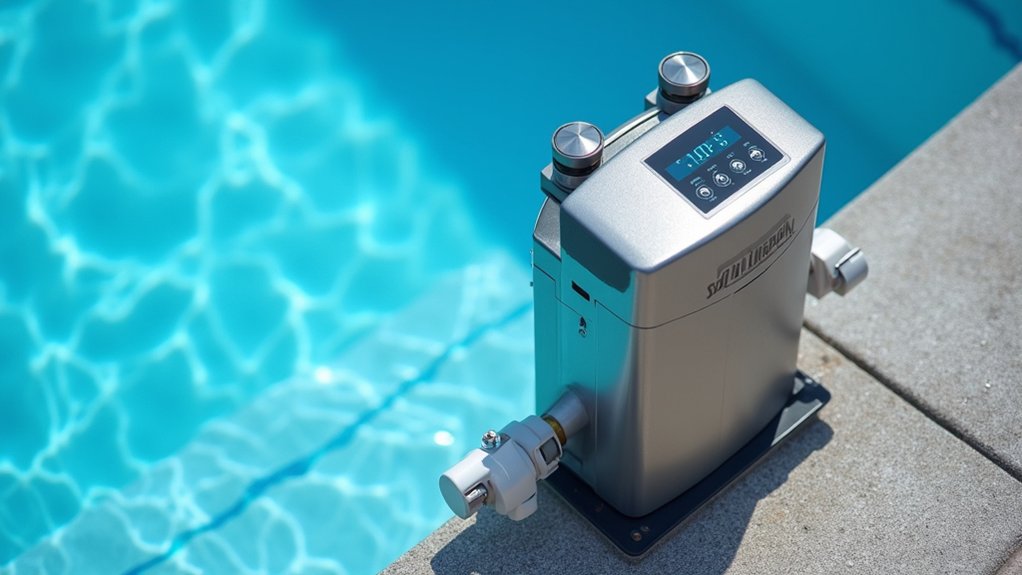
Salt chlorinators convert dissolved sodium chloride into chlorine through electrolysis, eliminating the need for manual dosing with tablets or liquid chlorine. As pool water flows through the cell, an electrical current passes across electrode plates coated with ruthenium or iridium, splitting NaCl compounds and releasing free chlorine directly into your water stream. The system consists of two main components: the cell that performs the conversion and the control board that supplies electricity and allows you to adjust chlorine output levels.
Your salt chlorinator operates within a concentration range of approximately 1,000 4,000 ppm. The chloride component generates chlorine, while sodium recycles through the system continuously. This closed-loop process delivers steady free chlorine levels that oxidize contaminants, bacteria, and algae more consistently than periodic tablet dosing. Note that electrolysis also produces sodium hydroxide, which raises pH, and hydrogen as a byproduct factors you’ll need to monitor alongside standard water chemistry maintenance.
How to Size a Salt Chlorinator for Your Pool
When learning how to size a salt chlorinator for your pool, prioritize these factors:
- Oversizing by 1.5x 2x your actual volume guarantees reserve capacity during peak demand
- Chlorine output (lbs/day) matters more than the gallon rating alone
- Pump runtime directly affects daily production shorter runs require larger cells
- Outdoor pools in warm climates need higher output due to accelerated chlorine degradation
- Bather load and debris exposure can push demand beyond standard sizing assumptions
Each salt chlorinator specification should align with your pool’s real-world operating conditions. Local water chemistry plays a critical role in determining the correct generator size, as mineral content and pH levels vary by region and directly influence chlorine production efficiency.
Best Salt Chlorinator for 2026: Hayward
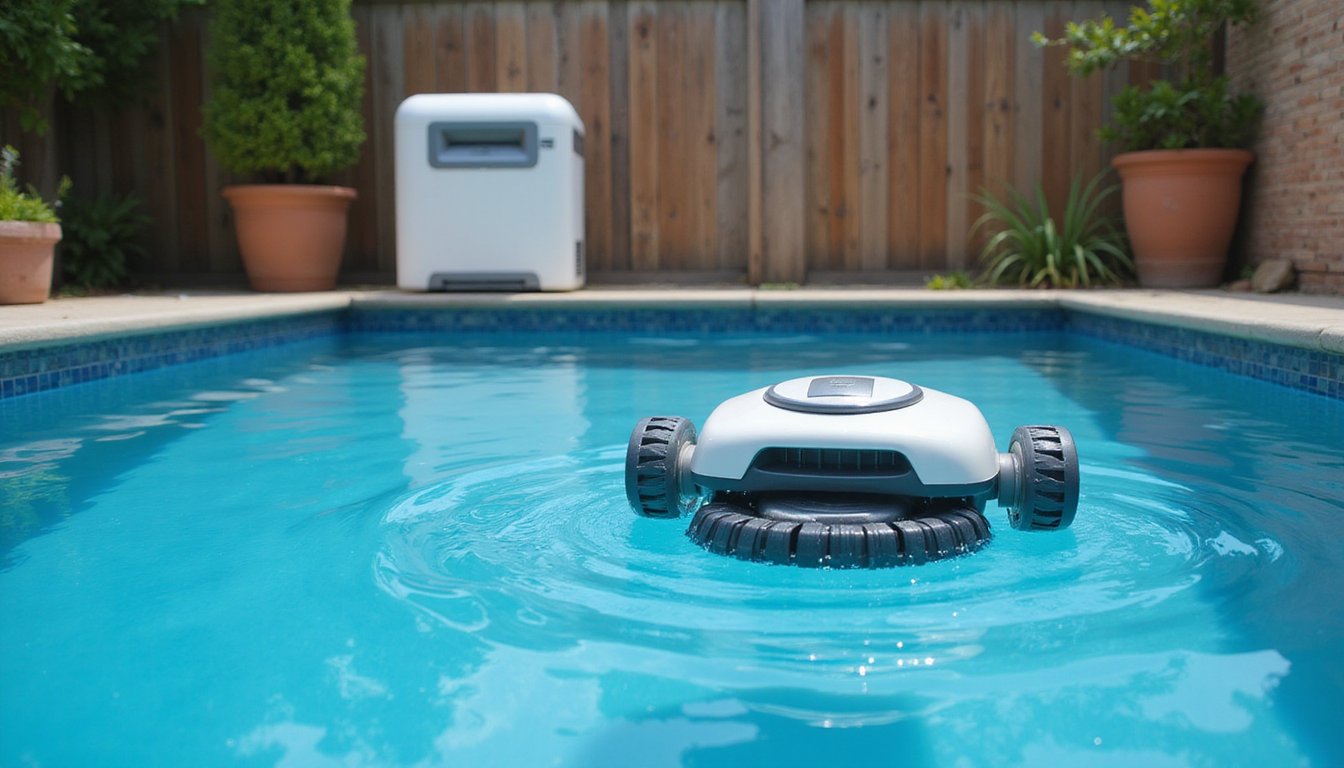
Hayward’s AquaRite line remains the benchmark salt chlorinator for inground pools heading into 2026, built around a platform approach that integrates salt chlorination, heater control, and variable-speed pump management into a single system. Rated for pools up to 32,000 gallons, it’s a strong contender for best salt chlorinator if you prioritize automation depth over standalone cell output.
| Specification | Detail |
|---|---|
| Max Pool Capacity | 32,000 gallons |
| Cell Lifespan | ~10,000 hours (3 7 years typical) |
You’ll get centralized control that coordinates pump scheduling with sanitization cycles, reducing manual adjustments. The system converts natural salt into chlorine for effective sanitization, resulting in softer water without the need for handling harsh chemicals. The cell is a consumable component plan for replacement based on your climate, bather load, and water balance habits to maximize total cost of ownership.
Pentair, CircuPool, and Pool Pilot Compared
When comparing Pentair, CircuPool, and Pool Pilot, you’ll find meaningful differences in chlorine output relative to pool size Pentair’s IC40 covers up to 40,000 gallons, while CircuPool’s RJ-45 PLUS handles up to 45,000 gallons, and Pool Pilot’s current specs remain less clearly documented for 2026. Cell replacement costs also vary, with CircuPool generally positioning itself as the lower-cost option over time compared to Pentair’s ecosystem-priced components. Brand support differences matter too: Pentair offers tighter integration with its automation platform, CircuPool prioritizes standalone simplicity and DIY serviceability, and Pool Pilot’s 2026 support infrastructure isn’t as well established in current comparison data.
Output And Pool Size
Because salt chlorinator output directly determines how effectively your pool stays sanitized, matching cell size to pool volume is one of the most critical equipment decisions you’ll make.
- Pentair IntelliChlor scales through IC20, IC40, and IC60 cells, with the IC40 serving as the mid-to-large pool benchmark
- CircuPool Core 35 targets the same sizing category as Pentair’s upper cells while offering direct-fit replacement compatibility
- Pool Pilot systems deliver heavier-duty output, ideal when bather load or pool size demands more chlorine production headroom
- Undersizing your salt chlorinator forces the cell to run at maximum capacity, accelerating wear and shortening lifespan
- CircuPool’s model numbering reflects rated capacity in thousands of gallons, simplifying cross-brand size comparisons
Prioritize output headroom over minimum specs you’ll extend cell longevity and maintain consistent sanitization.
Cell Replacement Costs
Cell replacement is the single largest recurring cost in salt chlorinator ownership, and prices vary greatly by brand and output class. When evaluating salt chlorinator replacement cell costs, you’ll find Pentair’s IntelliChlor Plus40 IC40 Plus cell listed between $1,449.99 and $1,819.00 depending on retailer, while the smaller LT15 bundle starts at $1,239.00. Pentair’s cells function as drop-in replacements requiring no additional plumbing, which reduces installation labor.
CircuPool and Pool Pilot replacement cell pricing isn’t consistently documented across major retailers, making direct brand-to-brand cost comparisons difficult without dealer quotes. You should request current pricing from authorized distributors before committing.
Expect average cell life around five years, though pool size, water temperature, and daily run time considerably influence longevity. Factor replacement frequency alongside upfront cell price when calculating true ownership costs.
Brand Support Differences
How well a salt chlorinator brand supports you after purchase matters as much as the hardware itself, and Pentair, CircuPool, and Pool Pilot take distinctly different approaches.
- Pentair ties support to its automation ecosystem IntelliChlor Plus40 units carry a 3-year/10,000-hour warranty with modular serviceability designed for Pentair-native builds.
- CircuPool leads on warranty length with 8-year limited coverage and positions its Core series as a direct fit for IntelliChlor, prioritizing cross-compatible replacement support.
- Pool Pilot offers tiered support across PPC1, PPC3, and AG configurations, with legacy cell cross-referencing (RC35/22, SC-36, SC-48) simplifying older unit replacements.
- Installation support varies: Pool Pilot AG and CircuPool emphasize minimal setup friction, while Pentair leans on dealer-integrated installation.
- Ecosystem lock-in favors Pentair if you’re already running their automation platform.
What a Salt Chlorinator Really Costs Over 5 Years
Three cost categories define salt chlorinator ownership over five years: the upfront equipment purchase ($800 $3,500+ for the control unit and cell), recurring consumables (salt, pH adjusters, stabilizer, algaecide), and at least one cell replacement ($1,000 $1,800). For a 20,000-gallon pool, expect roughly $3,250 $7,150 total across this window.
Salt chlorinator systems for inground pools don’t eliminate chemical spending you’ll still budget approximately $100/year for pH/alkalinity adjusters and $50/year for stabilizer. Annual salt replenishment adds modest cost after the initial 500-pound fill. Compare this against traditional chlorine pools at $4,750 $6,750 over five years, where $600 $900/year goes to tabs or liquid chlorine alone. The savings gap narrows once you factor cell replacement, driven partly by rising iridium and ruthenium prices. Your actual break-even depends heavily on cell longevity.
Salt Chlorinator Maintenance You Can’t Skip
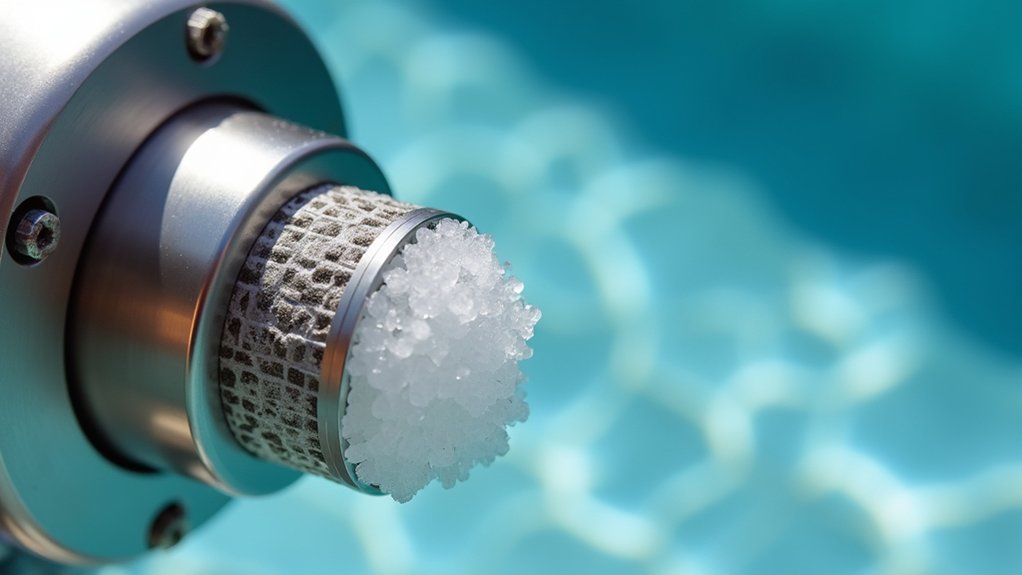
Five routine maintenance tasks keep your salt chlorinator running at peak efficiency and skipping any one of them accelerates cell degradation, tanks water quality, or both.
Skip one maintenance step and your salt cell pays the price five simple tasks protect your investment.
Prioritize these non-negotiable salt chlorinator maintenance tasks:
- Test pH weekly and hold 7.4 7.6; drift outside this range corrodes cells and kills sanitizer effectiveness.
- Verify salt concentration monthly maintain 3,000 3,500 ppm for consistent chlorine generation.
- Inspect the cell every 3 months for calcium carbonate deposits; acid-clean for 5 minutes when buildup appears.
- Run your pump minimum 8 hours daily to distribute chlorine evenly and prevent scale formation.
- Brush walls, skim debris, and vacuum weekly to reduce organics that spike chlorine demand.
Each task compounds the others’ effectiveness.
Which Salt Chlorinator Should You Buy?
Because every salt chlorinator is rated by maximum pool gallons, sizing is your first decision not brand. Select a unit rated at or above your pool’s volume, and consider sizing up for hot climates or heavy swimmer loads.
For most inground pools, Hayward leads as the best overall system, with Pentair IntelliChlor close behind for premium automation compatibility. CircuPool’s RJ30 Plus delivers strong chlorination performance, while the CORE55 handles pools up to 55,000 gallons at 2 lbs/day output. The Universal40 covers medium-to-large pools up to 40,000 gallons.
Factor in controller compatibility, not just cell cost. Budget picks like the Intex Krystal Clear suit simpler setups but lack the output and durability inground pools demand long-term.
Shop Saltwater Chlorination Systems
If you are switching to a saltwater pool or maintaining an existing system, Prime Pool Market has the equipment your setup needs. We carry top-rated Saltwater Chlorination systems and replacement salt cells at discount pricing from real pool guys. Browse our full catalog or contact us to find the right salt system for your pool today.
Frequently Asked Questions
Can You Use a Salt Chlorinator With an Above-Ground Pool Pump?
Yes, you can use a salt chlorinator with an above-ground pool pump, as long as the pump provides enough flow to trigger the chlorinator’s flow switch. Install the salt cell after the filter and any heater as the last component before water returns to the pool. If you’re running a variable-speed pump, keep the RPM high enough to maintain minimum flow requirements. Choose a unit rated for above-ground compatibility to guarantee proper performance.
Does a Saltwater Pool Damage Concrete or Stone Pool Decking?
Saltwater won’t automatically damage your concrete or stone decking, but repeated splash-out, poor drainage, and salt crystallization in porous surfaces can accelerate scaling, flaking, and microcracking over time. You’ll reduce risk by applying a quality penetrating sealer, maintaining proper deck slope, and rinsing salt buildup regularly. Dense, low-porosity stone holds up better than softer varieties. Keeping cracks and joints sealed prevents deeper salt intrusion and long-term deterioration.
Is Saltwater Safe for Pets That Drink From the Pool?
Small, incidental sips from a properly maintained saltwater pool won’t typically harm your pets. However, you shouldn’t let them drink pool water regularly excessive intake can cause dehydration, vomiting, diarrhea, and dangerous electrolyte imbalances. Dogs with kidney or heart conditions and those on salt-restricted diets need extra caution. Always place a fresh water bowl poolside, rinse your pets after swimming, and keep them out during chemical treatments.
Can You Switch Back to Traditional Chlorine After Installing a Salt System?
Yes, you can switch back to traditional chlorine anytime. Simply shut down your salt chlorine generator or set its output to zero, then resume manual dosing with granular, liquid, or tablet chlorine. You don’t need to drain the pool residual salt won’t interfere with conventional chlorination. Test free chlorine, pH, and alkalinity during the changeover to confirm balanced water. Your existing salt equipment can remain installed if you ever want to reactivate it.
Do Salt Chlorinators Work in Cold Climates During Shorter Pool Seasons?
Yes, salt chlorinators work in cold climates, but you’ll face reduced efficiency below 60°F as water conductivity drops. Most systems auto-shut off near that threshold to protect the cell. You’ll need supplemental liquid chlorine during cold stretches and should adjust output frequently through spring and fall swings starting around 30% at 60°F. Winterize by removing and cleaning the cell to prevent freeze damage and scale buildup.