
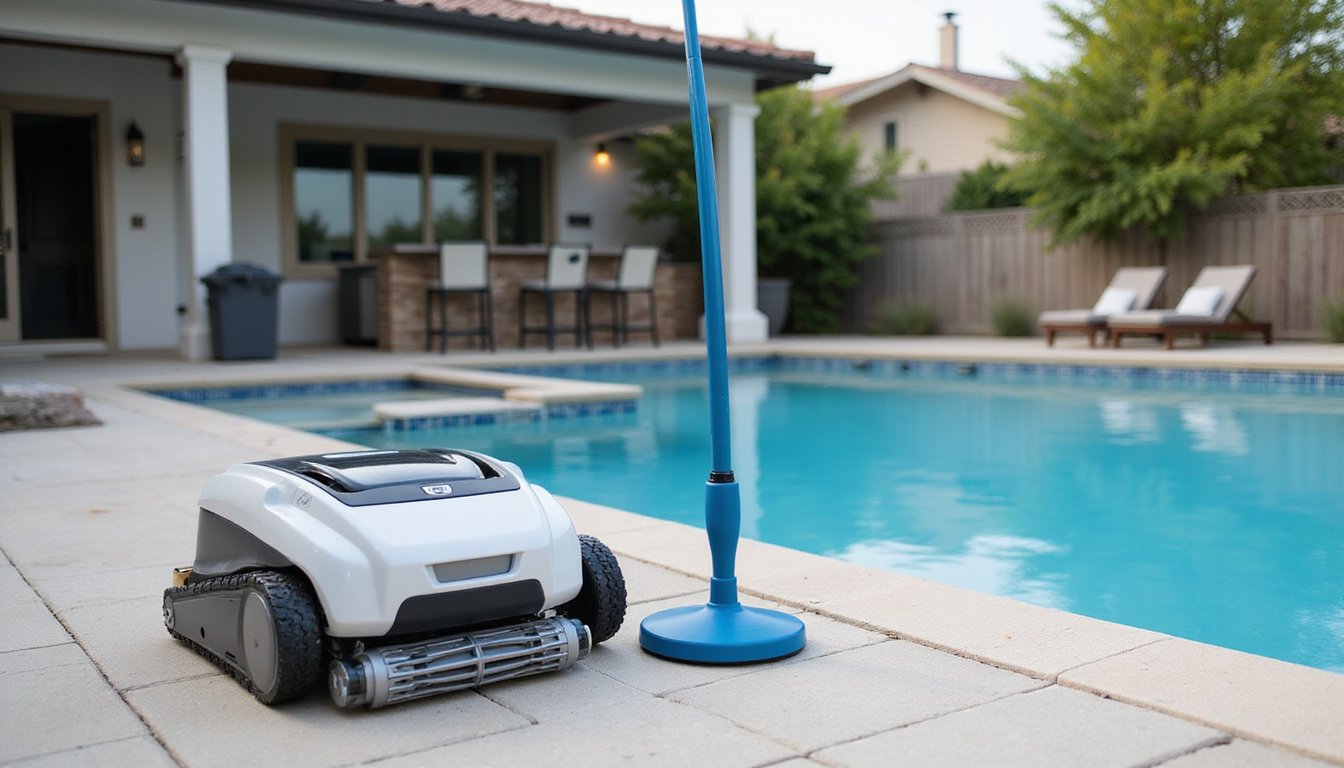
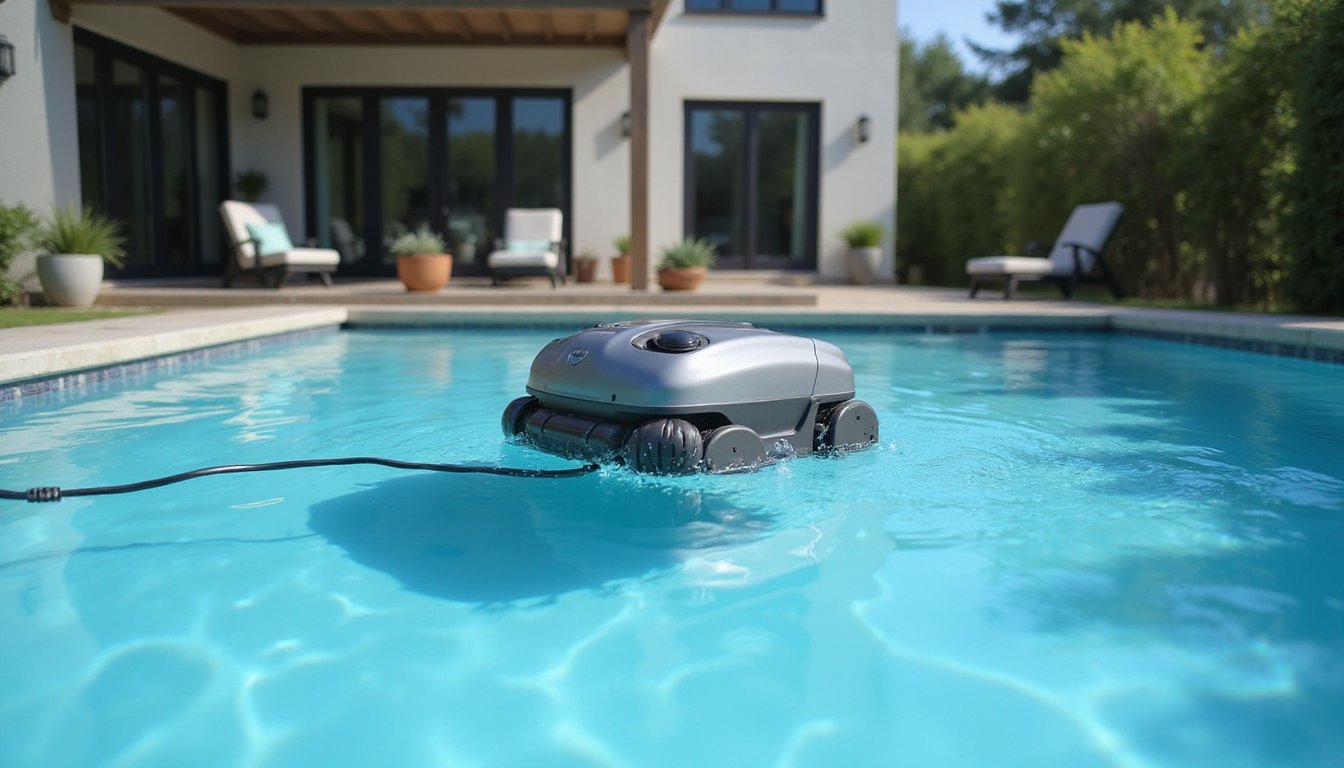
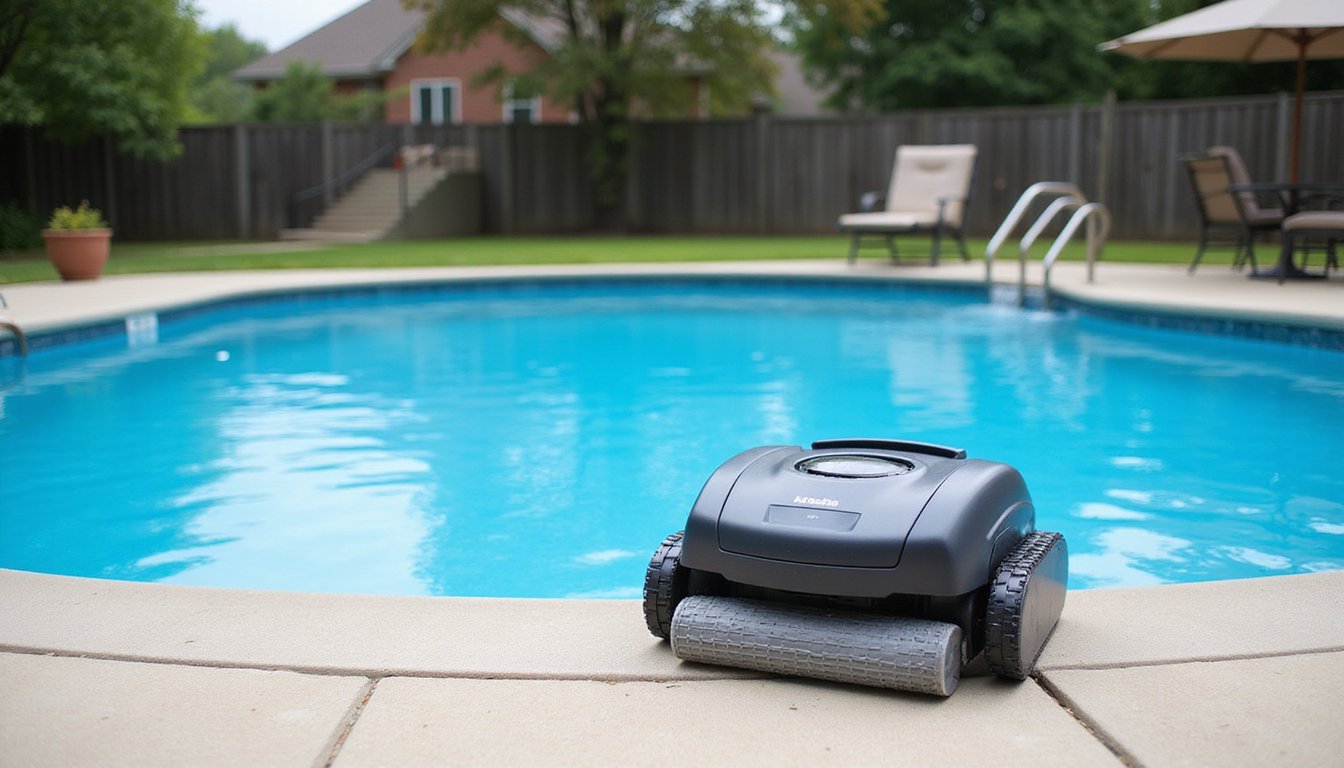
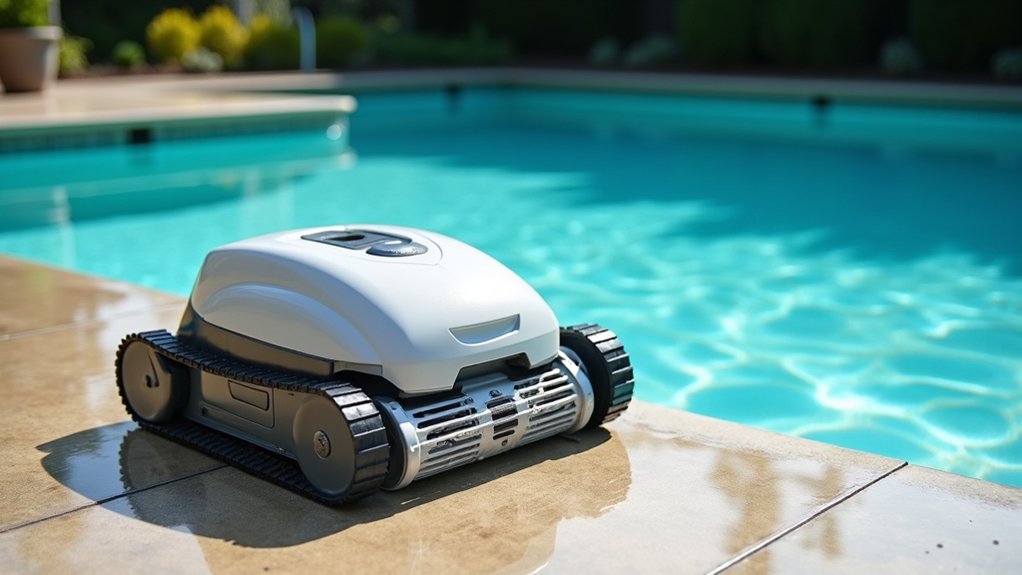
If your pool has only skimmers or suction ports, a suction cleaner‘s your best fit it runs off your existing pump and excels at picking up fine particles like sand and silt. If you’re dealing with heavy leaf fall and have a dedicated pressure line or booster pump, a pressure cleaner‘s onboard collection bag handles larger debris more effectively. Your plumbing setup, debris type, and energy budget all shape the right call and each factor deserves a closer look.
Suction vs Pressure vs Robotic Pool Cleaners: How They Work
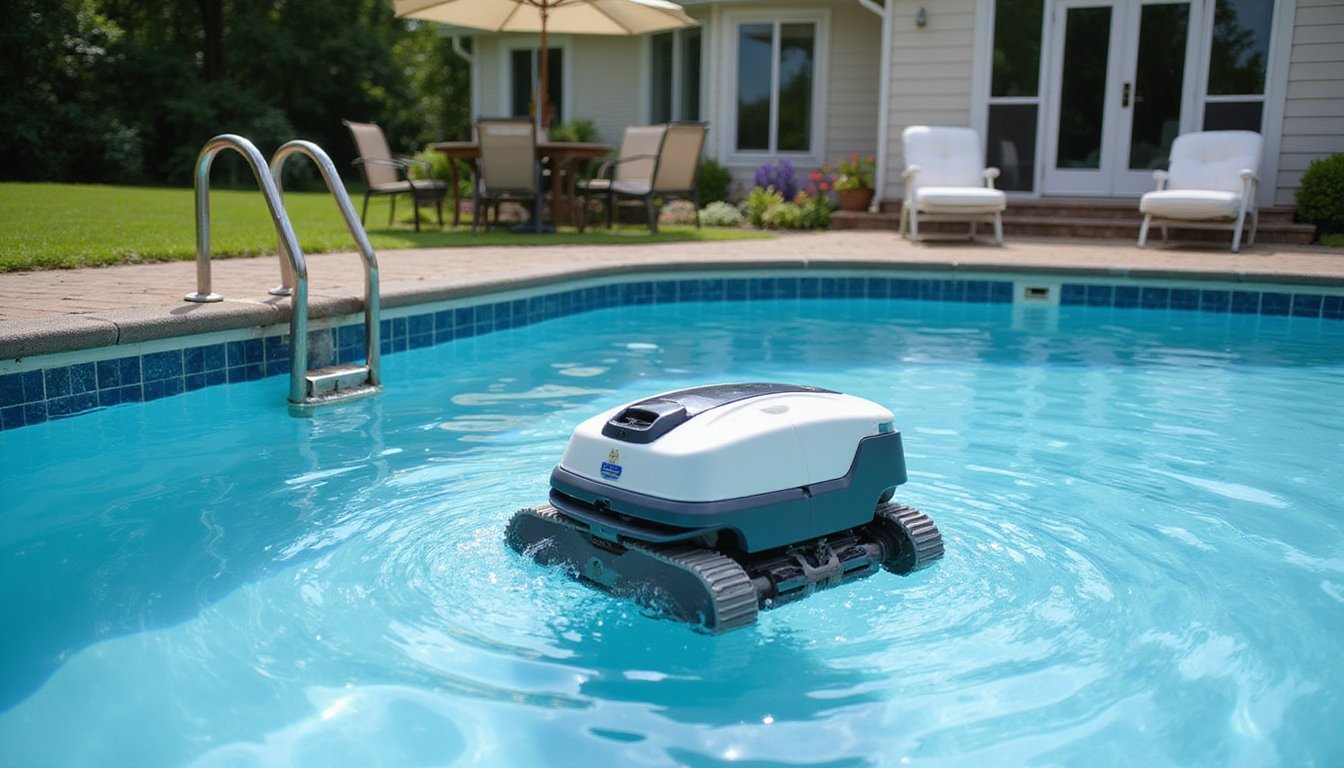
Robotic cleaners operate independently from your pool’s plumbing. They run on internal motors and store debris in onboard filter cartridges, eliminating additional load on your pump and filter.
Understanding these mechanical differences matters. Suction models increase filter wear, pressure models require compatible plumbing, and robotic units need only a power source. Your existing setup determines which system integrates most efficiently. Pressure side cleaners work best when your pool is already plumbed for pressure cleaners, making installation straightforward and performance optimal.
Which Pool Cleaner Handles Your Debris Best?
For mixed debris environments where leaves appear alongside dirt, pressure-side models offer broader capture capacity. If you’re dealing with constant leaf fall, a pressure side cleaner provides the most reliable debris separation. Match your cleaner to your dominant debris type for ideal performance. Suction cleaners excel at picking up small particles like sand and silt, making them the better choice when fine debris is your primary concern.
Energy Costs for Each Pool Cleaner Type
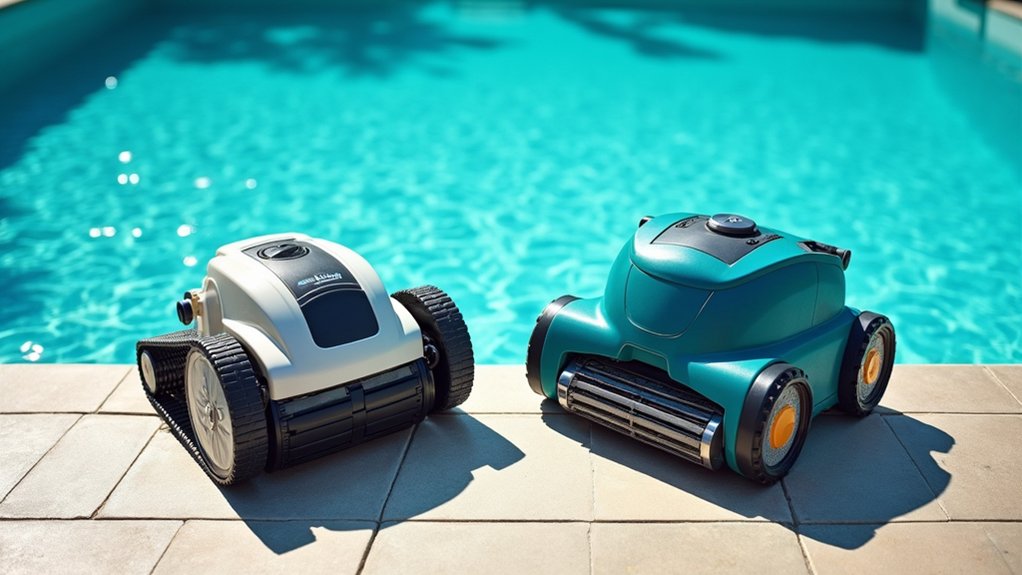
Because each cleaner type draws power differently, your electricity costs can vary considerably across suction, pressure, and robotic systems. A suction cleaner runs on your pool pump at 1,000 2,000 watts, costing roughly $92 $184 annually with three weekly cycles. Pressure models add a booster pump, pushing total draw to 2,000 3,000 watts, yet shorter runtimes keep yearly costs around $92 $138.
When evaluating any suction vs pressure pool cleaner, factor in that robotic units operate on just 100 200 watts independently, dropping annual costs to $4 $9. Over five years, robotic cleaners can save $400 to $800 compared to suction and pressure alternatives. Your local electricity rate and cycle frequency directly impact these figures. If you’re selecting pool cleaning equipment for long-term efficiency, robotic cleaners offer the lowest operating expense, potentially offsetting their higher purchase price within a few seasons.
How to Match a Pool Cleaner to Your Setup
How well a pool cleaner performs depends largely on whether your existing plumbing, pump capacity, and debris conditions align with the cleaner type you’re considering. If your pool has a dedicated pressure line or booster pump, pressure cleaners integrate without retrofit work. Pools plumbed only with a skimmer or suction port are better suited to suction cleaners unless you’re willing to add plumbing.
Match your cleaner to your dominant debris type. Fine particles like sand and dust favor suction cleaners, while heavy leaf loads call for pressure cleaners with onboard collection bags. Check your pump’s horsepower suction models typically need at least ¾ HP for adequate flow. Finally, consider your surface material. Vinyl liners require gentle brush attachments regardless of which system you choose.
The Best Pool Cleaner for Most Homeowners
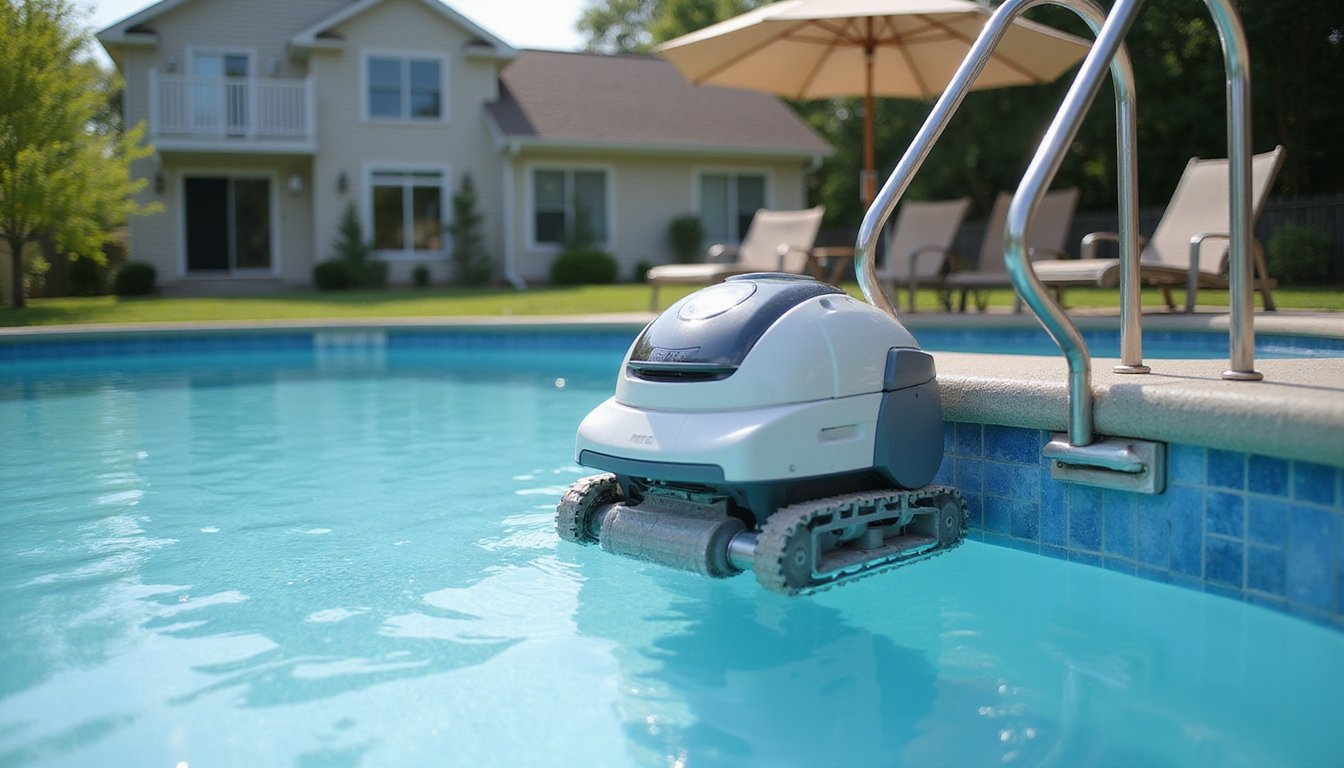
Choosing the right pool cleaner comes down to matching your budget, debris load, and tolerance for maintenance. For most homeowners, a robotic automatic pool cleaner delivers the strongest combination of performance, efficiency, and low upkeep. The Dolphin Premier stands out as a top 2026 pick for overall value.
For most homeowners, a robotic pool cleaner offers the best mix of performance, efficiency, and convenience.
Here’s how to narrow your decision:
- Best all-around: Robotic cleaners operate independently from your pump, filter debris internally, and require minimal routine labor.
- Best on a budget: Suction cleaners cost less upfront and use your existing filtration system, making them a practical entry point.
- Best for heavy debris: Pressure-side cleaners handle large leaves and twigs more effectively than other types.
Your pool’s specific conditions should drive the final choice.
Shop Top-Rated Pool Cleaners Today
If you are comparing robotic, suction, or pressure pool cleaners, Prime Pool Market has the brands and prices that fit your pool. We carry Pool Cleaners from top names like Polaris, Hayward, Pentair, and more at discount pricing from real pool guys. Browse our full catalog or contact us to find the right cleaner for your pool today.
Frequently Asked Questions
How Long Do Suction and Pressure Pool Cleaners Typically Last?
You can expect both suction and pressure pool cleaners to last roughly 5 to 10 years, depending on build quality and maintenance. Suction cleaners often run 8 10 hours daily, which accelerates wear on hoses, wheels, and internal parts. Pressure cleaners typically operate only about 2 hours per day, reducing cumulative stress and often extending their practical lifespan. Replacing worn consumables on schedule and storing your cleaner properly will push you toward that upper range.
Can You Use a Suction Cleaner and Pressure Cleaner Together?
You can use both together, but only if your pool has separate suction and pressure cleaner ports with isolated valve controls. Running both on a single hydraulic circuit risks overloading your pump, starving suction flow, or reducing pressure output. Before attempting dual operation, verify your pump capacity, check valve settings, and confirm your plumbing supports independent lines. Always follow manufacturer guidelines improvised setups typically cause flow conflicts and reduced cleaning performance.
Do Pool Cleaners Work Effectively in Above-Ground Pools?
Yes, pool cleaners can work effectively in above-ground pools. Suction-side models and robotic cleaners tend to fit best because they’re easier to install and don’t require complex plumbing. Suction cleaners handle fine debris well using your existing pump, while robotic cleaners deliver stronger overall coverage independently. Pressure-side cleaners are less common for above-ground setups since they often need a booster pump. Your best match depends on debris type, pool size, and equipment compatibility.
How Often Should You Replace Parts on Automatic Pool Cleaners?
You should inspect your automatic pool cleaner weekly and check wear parts like brushes, belts, wheels, and hoses for damage. Replace brushes and belts as they show wear typically every season or sooner in heavy-use pools. Clean filters and impellers every two weeks, and replace them when performance drops. Most cleaners last 5 8 years, but you’ll extend that lifespan by rinsing components after each use and storing them in a cool, shaded area.
Will a Pool Cleaner Work With a Saltwater Pool System?
Yes, most pool cleaners work with saltwater pools. Saltwater systems use standard circulation and filtration equipment, so suction, pressure, and robotic cleaners all remain compatible. You’ll want to verify that your chosen model uses salt-rated materials salt exposure can corrode metal parts, seals, and electronics faster than standard chlorine. Check the manufacturer’s specifications for saltwater compatibility, and you’ll avoid premature wear while keeping your pool consistently clean.