
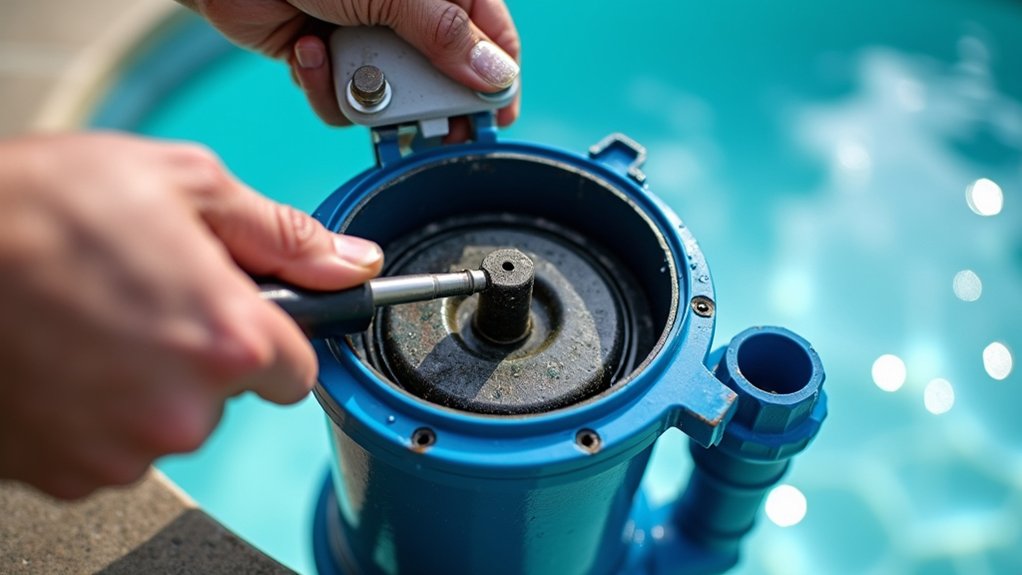
Your pool cover’s lifespan depends on its type and how well you maintain it. Solar covers typically last 3 5 years, mesh safety covers hold up for 10 15 years, and solid safety covers average 7 11 years. Automatic covers fall in between, depending on mechanical upkeep. UV exposure, chemical balance, and debris accumulation are the biggest factors that shorten any cover’s life. Each type has specific maintenance needs that’ll help you get the most out of your investment.
How Long Do Solar Pool Covers Last?
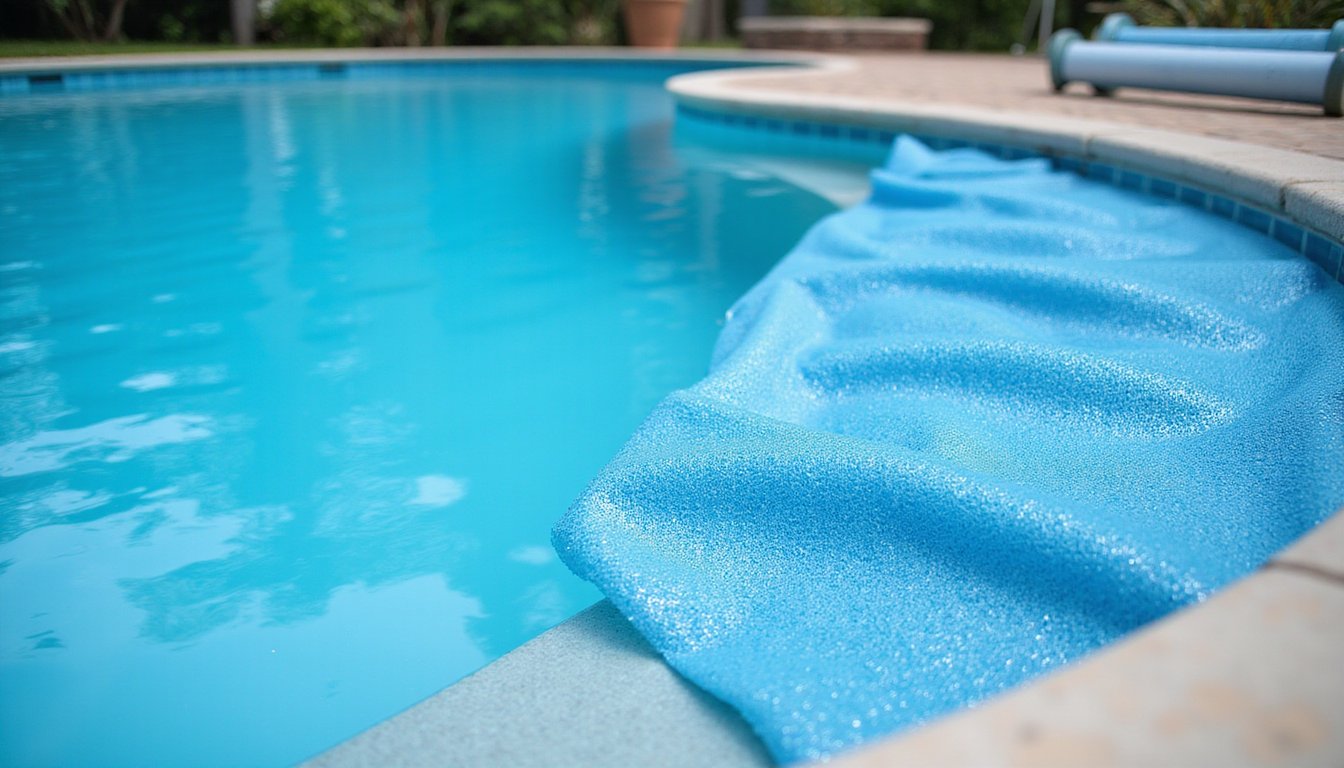
Solar covers typically last 3-5 years, though UV exposure and material quality significantly influence their longevity. Effective pool cover maintenance extends durability. Rinse your cover regularly, avoid abrasive cleaning tools, and dry it fully before storage. Keep it off the pool for 24 48 hours after shock treatment or until chlorine drops below 2.5 ppm. Store in a cool, shaded area. These steps consistently push replacement timelines toward the higher end of expectations.
Mesh vs. Solid Safety Covers: Which Lasts Longer?
| Feature | Mesh Safety Cover | Solid Safety Cover |
|---|---|---|
| Safety pool cover lifespan | 10 15 years | 7 11 years |
| Primary wear factor | UV exposure | Water/debris accumulation |
| Winter maintenance | Lower (water drains through) | Higher (requires pump for standing water) |
Mesh covers experience less strain from puddling, which reduces fabric deterioration over time. Solid covers can become brittle without consistent drainage management. You’ll get the longest service life from mesh, but solid covers deliver cleaner spring openings. Solid covers are also made from stronger, more durable materials, which helps offset their shorter lifespan compared to mesh options.
How Long Do Automatic Pool Covers Last?
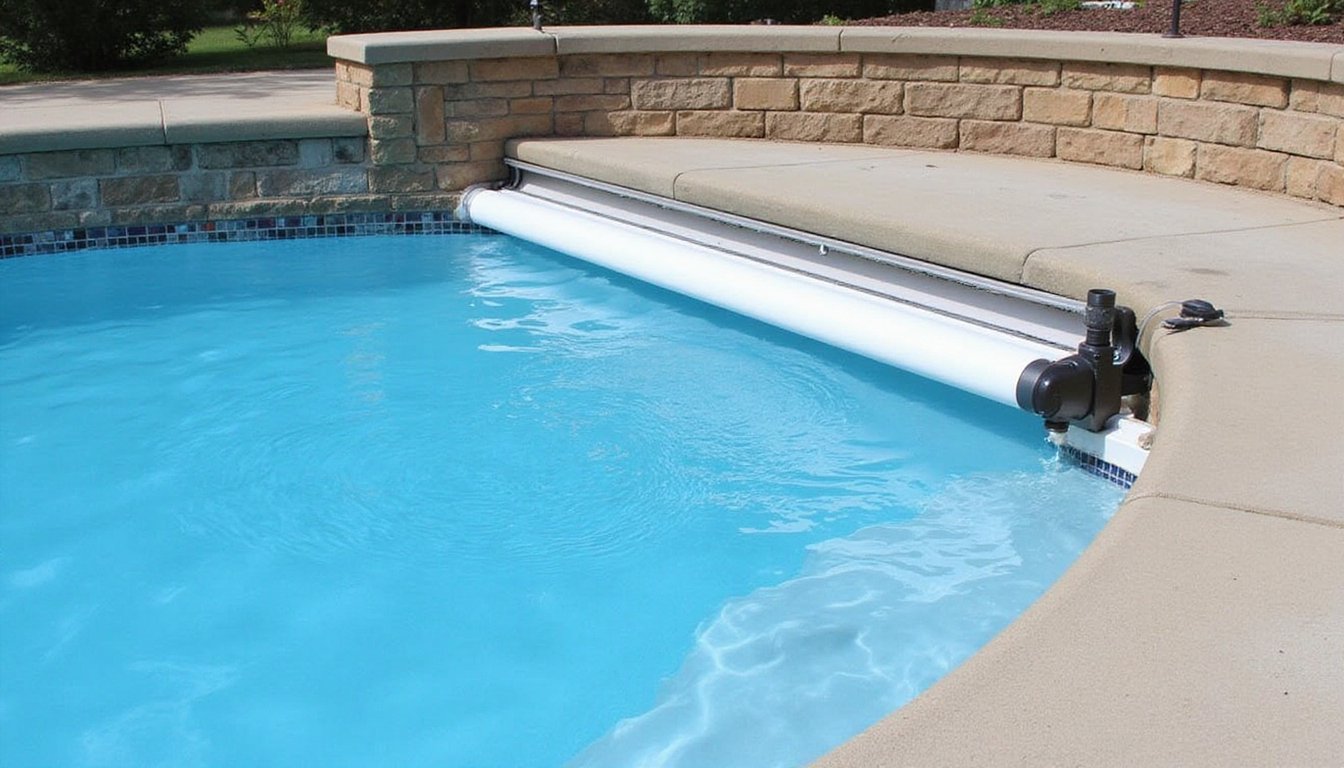
To maximize automatic pool cover durability, focus on these maintenance priorities:
- Run a cover pump after every rain event to prevent water loading and fabric stress.
- Clean the cover weekly before retraction to keep debris out of the housing and track system.
- Inspect tracks, ropes, and motor operation seasonally to catch component wear before it damages the fabric.
Balanced water chemistry directly impacts fabric longevity monitor it consistently. High chlorine levels can cause invisible damage that weakens the material over time, leading to sudden unexpected tears.
When Should You Replace a Winter Pool Cover?
Replace your cover when it can no longer support snow loads or stay secure against gaps. Evaluate condition when opening your pool each spring and again before closing in late summer.
What Wears Out a Pool Cover Fastest?
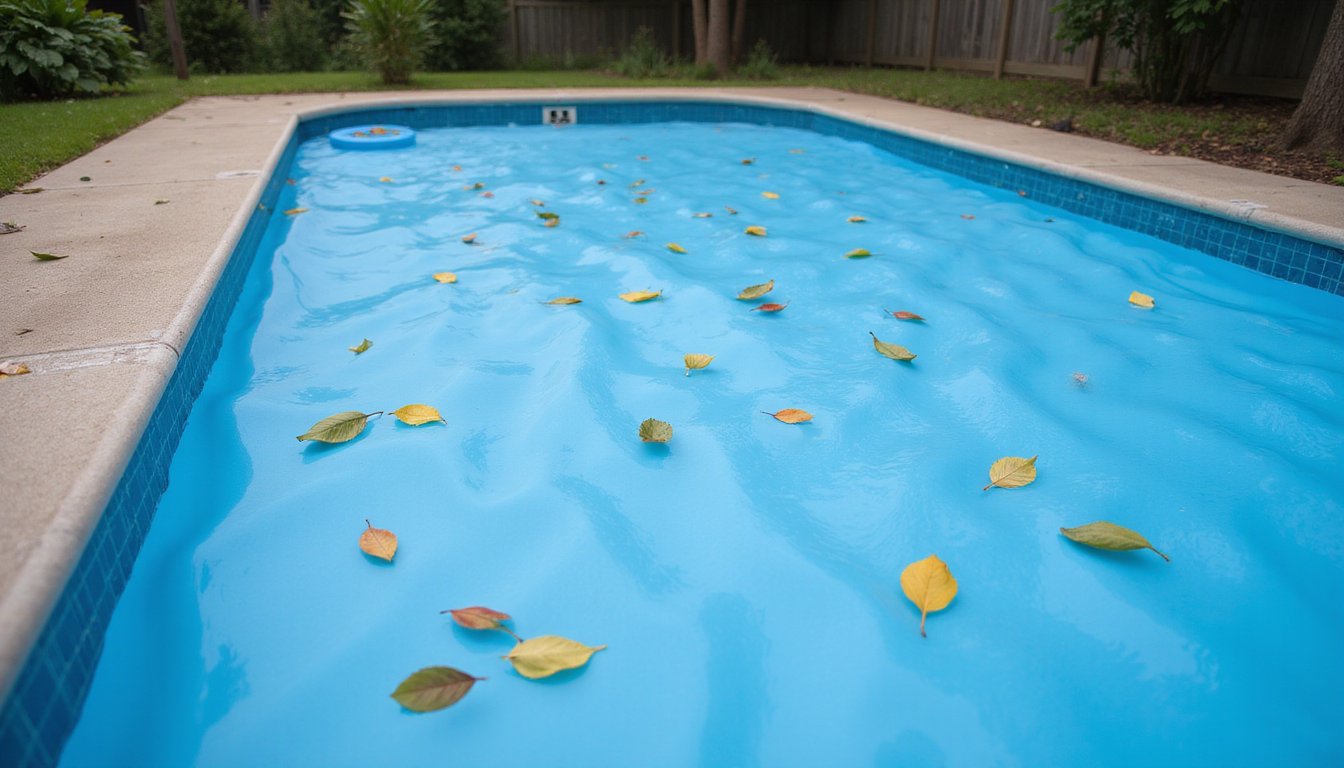
Even with proper seasonal care, certain environmental and mechanical factors break down pool covers faster than normal aging. UV exposure degrades swimming pool cover materials at an accelerated rate, causing fading, brittleness, and structural weakness that compounds over time. Standing water creates pressure points that lead to sagging and tearing, while debris accumulation promotes abrasion and organic decay across the surface.
UV damage, standing water, and debris don’t just wear pool covers down they accelerate failure far beyond normal aging.
The three primary failure accelerators for residential pool protection systems include:
- UV and sun damage Prolonged exposure breaks down vinyl and fabric fibers, especially on automatic covers left extended during peak sun hours.
- Excess weight from water and snow Unmanaged loads strain seams, straps, and anchors beyond design tolerance.
- Hardware deterioration Worn springs, loose anchors, and damaged buckles reduce tension and increase mechanical stress.
Shop Premium Pool Covers Today
If you are looking for quality pool covers that protect your investment and keep your water clean year-round, Prime Pool Market has you covered. We offer a complete range of pool supplies and outdoor living products with discount pricing from real pool guys you can trust. Browse our full catalog or contact us to find the right cover for your pool today.
Frequently Asked Questions
Can You Repair a Pool Cover Instead of Replacing It?
You can repair a pool cover if the damage is small and isolated. Patch kits work well for holes under 2 inches or tears shorter than 3 inches on solid and mesh covers. Double-sided patching holds better under tension than top-only patches. However, if you’re seeing brittle material, fraying, or damage at seams and anchor points, you’re better off replacing the cover entirely for safety and long-term reliability.
How Should You Store a Pool Cover During Off-Season?
Clean and fully dry your cover before folding it into a consistent pattern accordion-style or halves and thirds work well. Store it in a breathable bag or vented tote, placed off the ground in a cool, dry space like a garage shelf or shed. Don’t drag it across rough surfaces or seal it in airtight containers. Inspect hardware, straps, and fabric for damage before packing everything away for the season.
Are More Expensive Pool Covers Worth the Higher Cost?
More expensive pool covers are often worth it when you factor in total cost over time. Premium safety covers can last 7 to 15 years, while budget winter covers may need replacing every 1 to 3 seasons. You’ll spend less on replacements and get better hardware, stronger stitching, and improved UV resistance. However, you’ll only maximize that investment if you’re committed to regular cleaning, proper storage, and seasonal inspections.
Do Pool Chemicals Affect How Long a Cover Lasts?
Yes, pool chemicals directly impact your cover’s lifespan. Chlorinated water and winterizing chemicals accelerate material breakdown, particularly on solid covers exposed to trapped chemical vapors and standing moisture. You’ll typically see solid safety covers last 7 10 years partly due to this chemical wear. To minimize damage, you should maintain balanced water chemistry, clean your cover regularly, and guarantee proper winterization chemistry before closing these steps help reduce unnecessary chemical stress on cover materials.
What Pool Cover Type Offers the Best Long-Term Value?
Mesh safety covers give you the best long-term value, typically lasting 7 15 years with proper care. They’ll outlast solar covers, winter tarps, and most solid covers, reducing your replacement frequency and total ownership cost. You’ll spend less time on maintenance since mesh drains water naturally and only needs periodic rinsing, tension checks, and clean dry storage. If you prioritize durability and safety, mesh consistently delivers the strongest return on investment.