
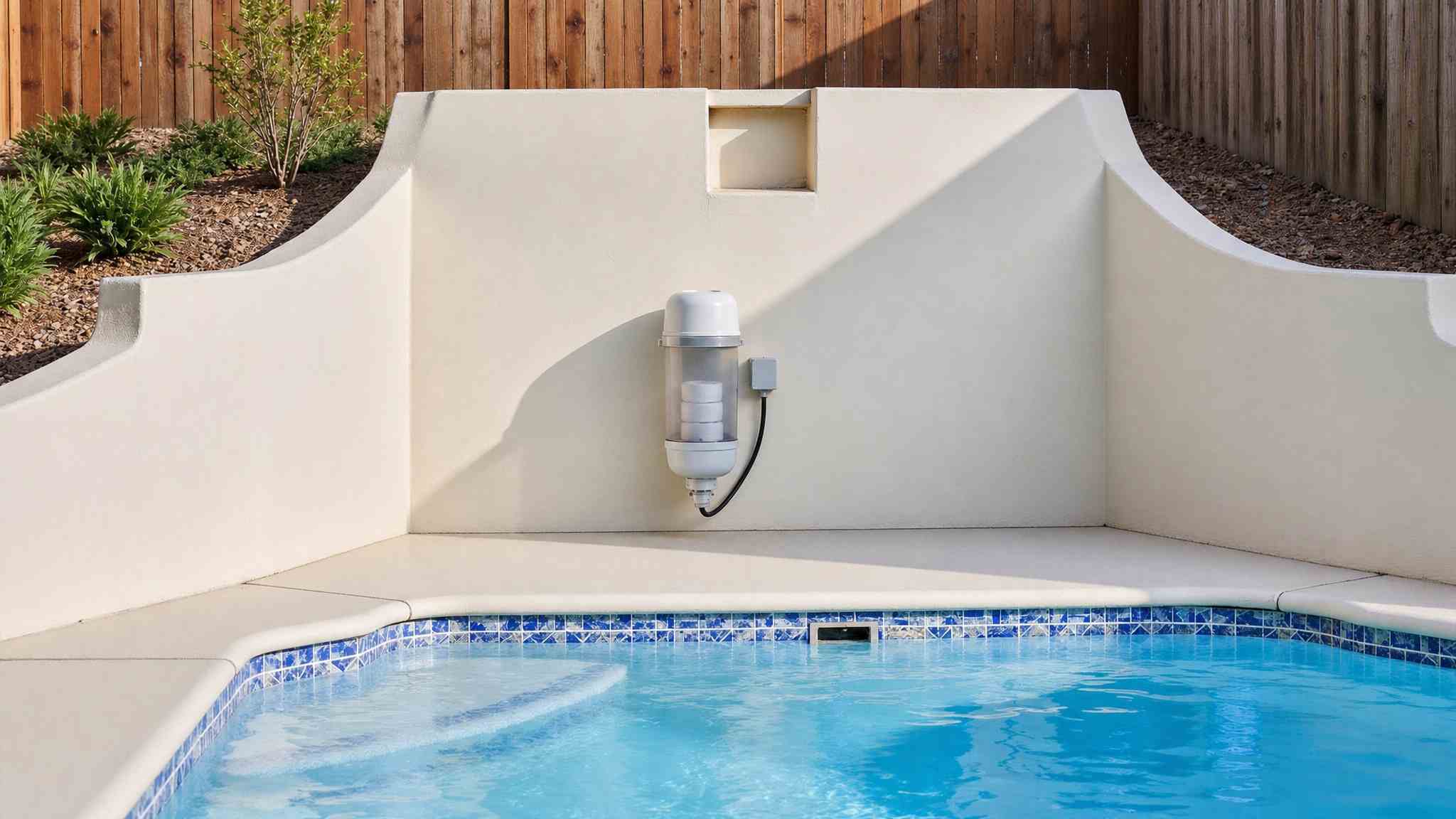
Close your pool once the water stays consistently below 65°F, not when the calendar says so. Cooler water suppresses algae growth and cuts chlorine demand. Use a reliable thermometer and track readings over several days to confirm a downward trend. Watch overnight lows near 50°F, they’re your leading indicator that closing should begin soon. Finish before repeated 32°F readings threaten freeze damage. Nail your timing, region, and sequence, and you’ll protect your equipment all winter.
Key Takeaways
- Close your pool once water temperature stays consistently below 65°F, which suppresses algae growth and reduces chlorine demand.
- Use water temperature, not the calendar, as your primary trigger, confirming the trend with several days of thermometer readings.
- Adjust timing by USDA Hardiness Zone: zones 3 to 5 close earliest, zones 6 to 7 in October, and zones 8 to 10 much later.
- Watch overnight lows near 50°F as a leading indicator, and finish before repeated readings near 32°F risk freeze damage.
- Follow the full closing sequence every year: lower water, drain equipment, blow out plumbing lines, and install a secure winter cover.
The 65°F Rule That Signals It’s Time to Close

Close your pool once the water stays consistently below 65°F. This threshold is the clearest trigger for winterization because cooler water suppresses algae growth and reduces chlorine demand, keeping your water clearer through the off-season. Tracking water temperature, not just the calendar, tells you when to close pool systems. Use a reliable thermometer and monitor readings over several days to confirm the trend holds. The best time to close pool operations arrives once temperatures stay below 65°F and won’t rebound with a late warm spell. Don’t wait for freezing conditions when deciding when to winterize pool equipment. Closing at 65°F gives you time to drain lines and protect components. Consistent sub-65°F readings signal that winterization should begin promptly.
Best Months to Close Your Pool by Region
The best months to close your pool depend on your region. In colder climates, late September marks the start of closing pool for winter planning. Georgia guidance places ideal closing in late October to early November, and Springfield-area pools hit their sweet spot from mid-September to mid-October. In warmer zones 8 to 10, you’ll delay closing into November or December, or skip it entirely if your pool stays open year-round. Local elevation and overnight lows can shift these windows by weeks.
USDA Hardiness Zones and Your Closing Window
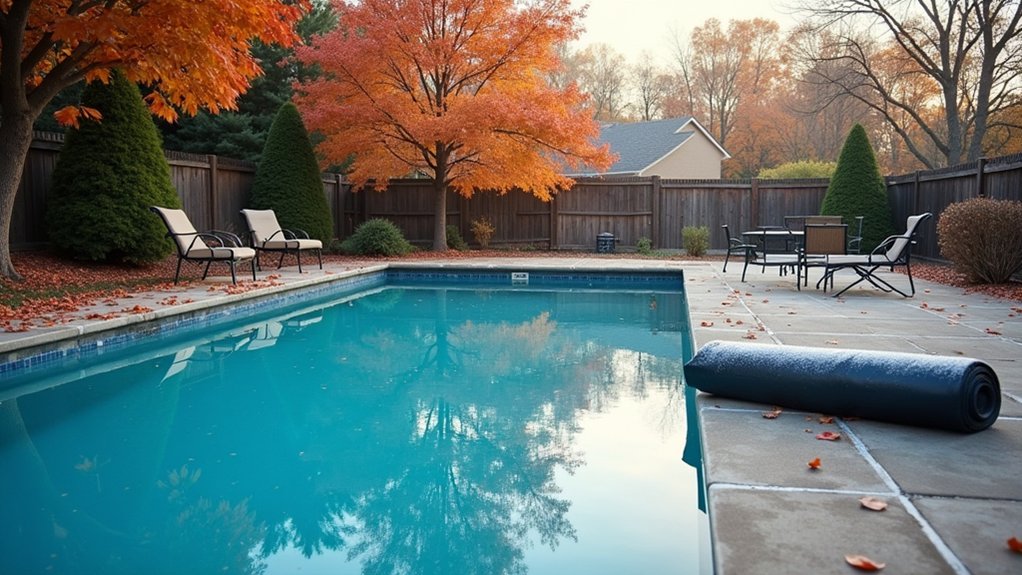
Your USDA hardiness zone gives you the most reliable framework for pinpointing your closing window. These zones map your region’s average overnight lows, which directly correlate with freezing risk and the timing of sustained sub-65°F temperatures. Identify your zone to anchor your schedule to proven regional patterns rather than guesswork.
- Zones 3 to 5: Close earliest, typically from mid-September to early October, ahead of hard freezes.
- Zones 6 to 7: Close in October to early November as overnight lows approach 50°F.
- Zones 8 to 10: Close much later, or keep pools open year-round in mild climates.
- All zones: Adjust for local elevation and overnight lows, which can shift timing by weeks.
Match your zone to these ranges, then refine using temperature signals.
Weather Signs Your Pool Is Ready to Close
Your pool’s water temperature is the clearest signal to watch, and once it stays consistently below 65°F, you’re ready to begin closing. Track daytime readings as they trend toward 60°F in colder climates, since sustained drops confirm that algae growth and chlorine demand have slowed. Pair that data with nighttime lows: several consecutive nights near or below 50°F mean you should start winterizing before freezing conditions arrive.
Tracking Water Temperature Drops
Track water temperature closely as fall sets in, because it drives nearly every winterization decision. Use a reliable pool thermometer and log readings daily, focusing on sustained trends rather than single-day fluctuations. The key threshold is water holding consistently below 65°F, which suppresses algae growth and reduces chlorine demand.
Watch for these temperature signals as you decide when to close:
- Water consistently below 65°F, the primary trigger for beginning closure
- Daytime air below 60°F, supports winterization in colder climates
- Nighttime lows near 50°F, signals closing should begin soon
- Repeated readings near 32°F, urgent; finish before freeze damage occurs
Track these numbers precisely, and you’ll close at the ideal window without risking equipment damage.
Watching Nighttime Low Signals
Nighttime lows give you an earlier warning that the season’s turning, even though water temperature drives the primary closing decision. Watch for several consecutive nights dropping near or below 50°F. This pattern signals that closing should begin soon, especially in colder zones. Overnight lows fall faster than daytime highs or water temperature, so they’re your leading indicator.
Track a run of three or more nights below 50°F rather than reacting to a single cold snap. Consistency matters; isolated dips don’t justify winterizing. Once nights settle into this range, water temperature typically follows within days, sliding toward the 65°F closing threshold.
In hardiness zones 3 to 5, expect these signals by mid-September. Use them to schedule closing before repeated near-freezing nights force an urgent, rushed shutdown.
What Happens If You Close Your Pool Too Late?
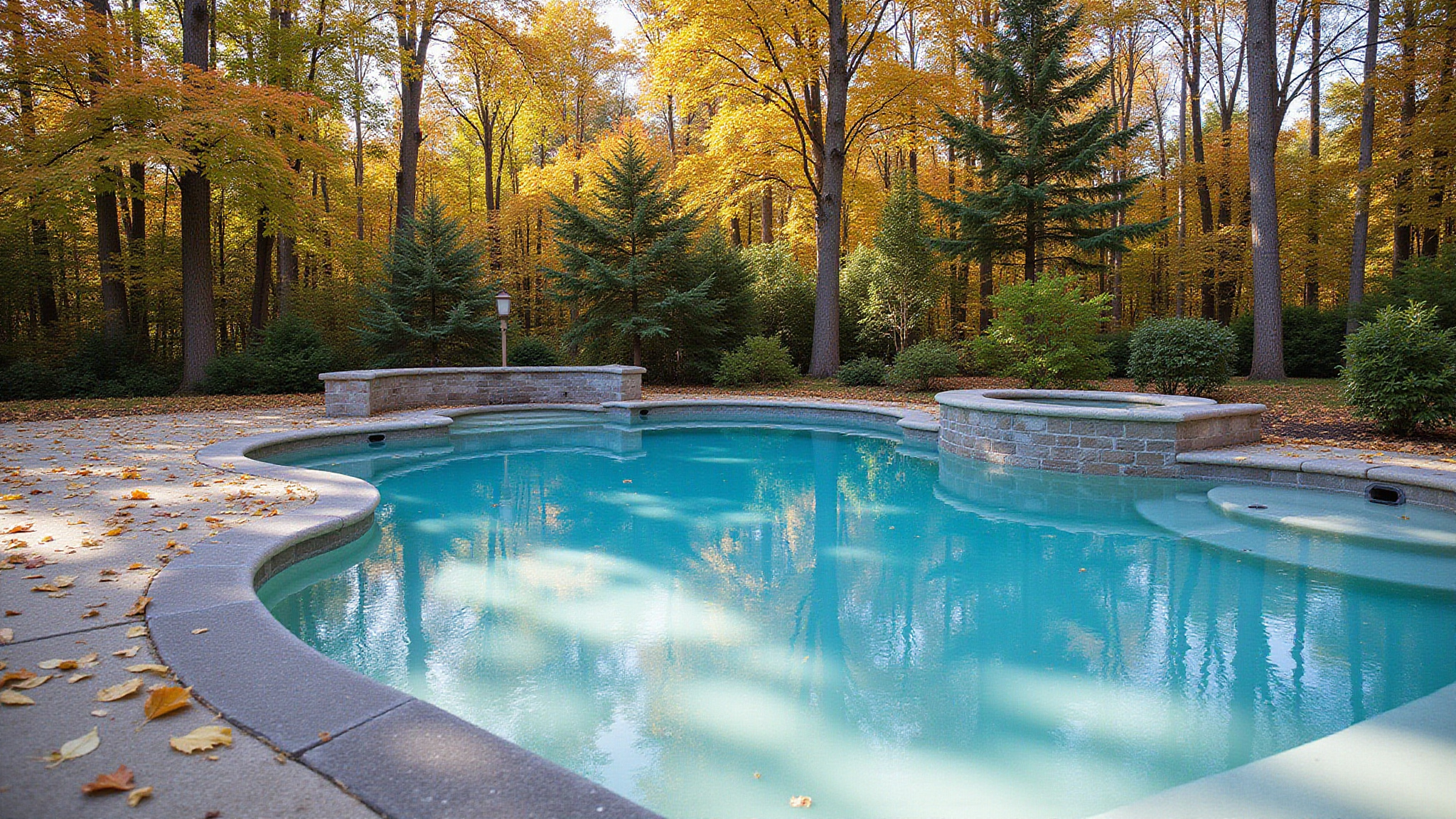
Wait too long, and you risk serious freeze damage once temperatures reach 32°F or lower. Water trapped inside pumps, filters, heaters, and plumbing can freeze and expand, cracking equipment and causing costly failures. You’ll also face a heavier cleaning burden, since falling leaves and unstable weather load the water with debris while you scramble to finish winterizing.
Freeze Damage Risks
Freeze damage happens when temperatures hit 32°F or lower, risking real harm to your pool and its equipment. Once water freezes inside your system, it expands and forces components apart, cracking materials that aren’t built to handle that pressure. The longer you delay, the less time you have to drain lines and protect vulnerable parts before a hard freeze sets in.
Freezing water threatens several critical areas:
- Pumps that crack when trapped water expands
- Filters that split under internal ice pressure
- Heaters that suffer damage to internal passages and components
- Plumbing lines that rupture when standing water freezes
To avoid these failures, you’ll want to drain every plug, pump, filter, chlorinator, and heater, removing all standing water before temperatures drop.
Equipment and Plumbing Failure
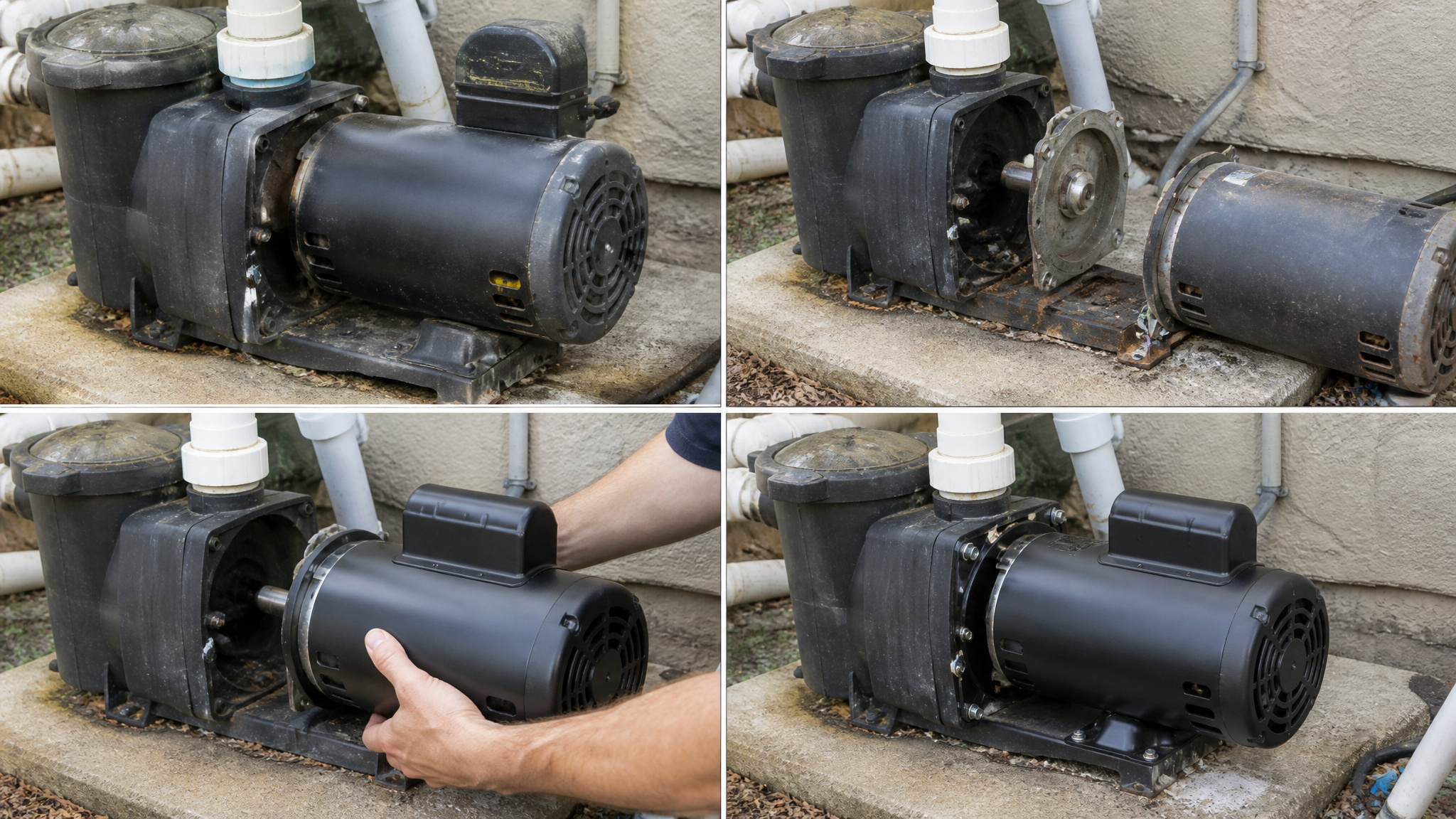
Equipment and plumbing failures occur when water freezes inside pumps, filters, heaters, and chlorinators, expanding and cracking housings, seals, and internal components. Closing too late doesn’t just risk isolated cracks, it triggers cascading failures that compound across your entire system. Standing water trapped in plumbing lines freezes and ruptures pipes, forcing costly excavation and replacement. If you wait until temperatures approach 32°F, you leave insufficient time to drain plugs, blow out lines, and remove residual moisture before hard freezes set in. Freeze damage often cascades: a cracked filter stresses the pump, a ruptured line floods surrounding equipment, and electrical systems short when moisture intrudes. You’ll face compounding repair bills across interconnected components. Complete winterization, draining every water-holding component, before sustained freezing protects your entire system from failure.
Increased Cleaning Burden
Delaying closure past the ideal window consistently multiplies the debris load your pool accumulates. As fall progresses, falling leaves, organic matter, and airborne contaminants settle into water that’s cooling but not yet closed. Cooler, less stable weather compounds the problem, leaving you with more cleaning work before winterization can begin.
Waiting too long forces you to manage:
- Heavy leaf accumulation that clogs skimmers, drains, and filtration lines
- Organic sediment that settles on surfaces and demands extended brushing and vacuuming
- Increased algae and staining risk as decaying matter raises chlorine demand
- Additional pre-closing labor that shortens your window for draining and covering
Close before this debris cycle intensifies. Acting within the best window minimizes cleaning effort and protects your equipment from freeze damage.
Your Step-by-Step Pool Closing Checklist
Your pool closing checklist follows this sequence once water temperatures hold consistently below 65°F. Start by removing debris, vacuuming the pool, and brushing all surfaces to eliminate contaminants that feed algae. Next, balance your water chemistry, then add winterizing chemicals or shock as directed. Lower the water level according to your pool type and the cover you’ll install. Drain every component that holds water, plugs, pumps, filters, chlorinators, and heaters, because standing water freezes and cracks equipment. Blow out the plumbing lines to clear residual water from pipes. Finally, install a secure winter cover and inspect it periodically through the season for sagging, tears, or debris accumulation. Complete this sequence before sustained freezing conditions arrive to prevent costly damage. When choosing the best closing chemicals for pools, it’s essential to understand their specific roles in protecting water quality during the off-season. Ensure you select products that suit your pool type and local climate conditions.
Conclusion: Timing Your Pool Closing
The right time to close is when water temperatures drop below about 60 degrees but before the first hard freeze, a window that keeps algae from blooming while still beating the cold. Closing on temperature rather than the calendar date is the key, since seasons vary year to year. Time it well and the pool winters cleanly and opens far more easily in spring.
Get Everything You Need to Close Your Pool
From durable winter covers to complete closing kits, quality winterizing supplies protect your investment year after year. Browse Prime Pool Market for premium Winter Covers & Accessories with real value from real pool experts. Call (877) 650-7665 today and prep your pool for winter.
Frequently Asked Questions
Can I Close My Pool Myself, or Hire a Professional?
Both work. Many owners close their own pool with a checklist and a few hours, since the steps are learnable. Hiring a pro makes sense for a large or complex pool, or in a hard-freeze climate where a proper line blow-out is critical. Match the choice to your comfort with the plumbing and the local winter.
How Much Does Professional Pool Closing Typically Cost?
A professional closing usually runs 150 to 400 dollars, depending on pool size, region, and whether extras like line blow-outs and cover installation are included. Inground pools cost more than above ground ones. Doing it yourself costs only the winterizing chemicals and plugs, so the pro fee mainly buys convenience and a thorough job.
Can I Reopen My Pool Early if Weather Warms Up?
Yes, though it is usually best to wait for temperatures to settle rather than reopening during a brief warm spell that could turn cold again. An early reopen means running the equipment and watching the chemistry sooner. If a genuine early spring arrives, opening ahead of schedule is fine as long as the freeze risk has passed.
What Winterizing Chemicals Are Safest for My Pool Type?
Use a winterizing kit matched to your surface and sanitizer, since a saltwater or vinyl pool has slightly different needs than a plaster one. The core items, balancers, a winter shock, and an algaecide, are safe when used as directed. Reading the label for your pool type avoids staining a liner or harming a salt cell.
How Often Should I Check My Pool During Winter?
A look every few weeks is plenty in most climates. Check that the cover is secure, clear off standing water or heavy debris, and make sure the water level has not dropped too low. Catching a sagging cover or a chemistry issue midwinter is far easier than dealing with the mess it would cause by spring.